Many people believe that spending more time in the gym automatically leads to bigger muscles. However, nutrition is just as important as your workout routine.
Proper nutrition helps:
- Repair damaged muscle fibers
- Increase muscle protein synthesis
- Improve workout performance
- Reduce soreness
- Speed up recovery
- Maintain healthy hormone levels
Without enough nutrients, your body struggles to build new muscle tissue even if you’re training consistently.
Key Nutrients for Muscle Growth
| Nutrient | Benefits |
|---|---|
| Protein | Repairs and builds muscle tissue |
| Carbohydrates | Restore glycogen and provide energy |
| Healthy Fats | Support hormone production |
| Vitamins & Minerals | Improve recovery and immune health |
| Water | Maintains hydration and muscle function |
How Muscle Gain Works

Muscle growth occurs through a process known as muscle protein synthesis. Resistance training creates microscopic damage in muscle fibers. During recovery, your body rebuilds these fibers stronger than before.
To maximize this process, you need:
- Progressive overload during training
- Adequate protein intake
- Enough daily calories
- Proper sleep
- Consistent hydration
Experts generally recommend consuming around 1.6–2.2 grams of protein per kilogram of body weight each day for people aiming to build muscle.
Best High-Protein Foods for Muscle Gain

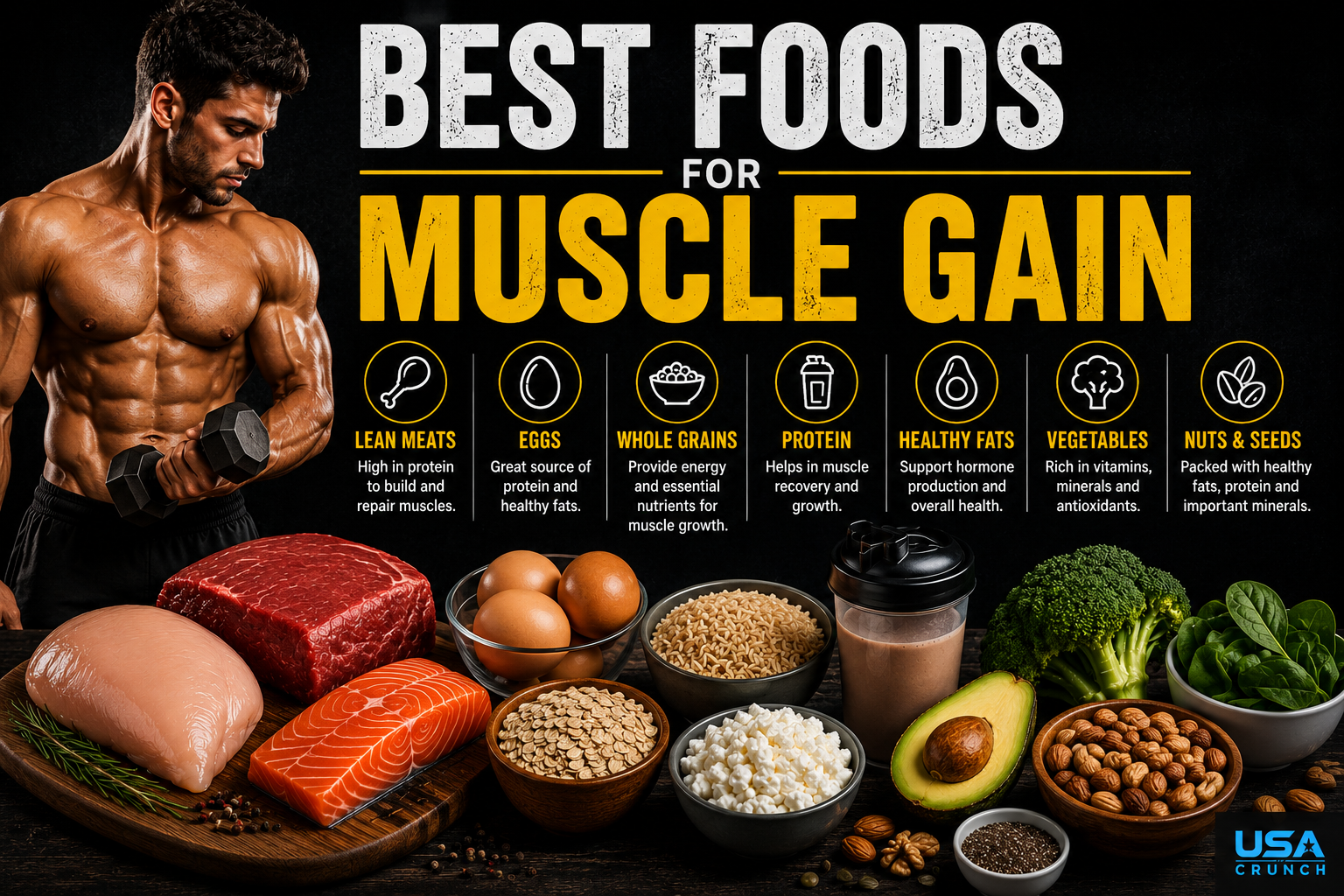
Protein is the building block of muscle. High-quality protein provides essential amino acids your body needs to repair and grow muscle tissue.
Chicken Breast
Chicken breast is one of the most popular foods among athletes.
Benefits
- High-quality lean protein
- Low in saturated fat
- Rich in Vitamin B6
- Supports muscle recovery
Protein per 100g: Approximately 31g
Eggs
Eggs contain every essential amino acid your body needs.
They also provide:
- Vitamin D
- Healthy fats
- Choline
- Selenium
Eating whole eggs after resistance training may support muscle recovery and growth.
Protein per large egg: Around 6 grams
Salmon
Salmon is an excellent source of both protein and omega-3 fatty acids.
Benefits include:
- Supports muscle recovery
- Reduces inflammation
- Promotes heart health
- Rich in Vitamin D
Protein per 100g: About 25g
Lean Beef
Lean beef supplies:
- Complete protein
- Iron
- Zinc
- Vitamin B12
- Creatine
These nutrients help improve strength and energy production during workouts.
Protein per 100g: Approximately 26g
Greek Yogurt
Greek yogurt combines fast- and slow-digesting proteins, making it an excellent snack before bed or after exercise.
Benefits include:
- High protein
- Calcium
- Probiotics
- Supports digestion
Protein per cup: Around 20g
Healthy Carbohydrates for Muscle Gain

Carbohydrates often get a bad reputation, but they’re essential for building muscle. They replenish glycogen stores, fuel intense workouts, and help spare protein for muscle repair instead of energy.
Oats
Oats provide long-lasting energy and are packed with fiber, magnesium, and complex carbohydrates. A bowl of oats with milk, nuts, and fruit makes an excellent pre-workout breakfast.
Brown Rice
Brown rice is a whole grain that delivers steady energy. It pairs perfectly with lean protein sources like chicken or fish and helps replenish energy after training.
Sweet Potatoes
Sweet potatoes are rich in complex carbohydrates, potassium, and vitamin A. They support muscle function while helping maintain healthy electrolyte levels.
Quinoa
Quinoa is unique because it contains both carbohydrates and complete protein. It’s also rich in magnesium, iron, and fiber, making it an excellent addition to muscle-building meals.
Healthy Fats That Support Muscle Growth

Healthy fats are often overlooked in muscle-building diets, yet they play an important role in hormone production, especially testosterone, which contributes to muscle development. They also help your body absorb fat-soluble vitamins like A, D, E, and K.
Avocados
Avocados are packed with monounsaturated fats, potassium, and fiber. They also contain antioxidants that help reduce inflammation after intense workouts.
Benefits
- Heart-healthy fats
- High in potassium
- Rich in fiber
- Supports hormone health
Nuts and Seeds
Almonds, walnuts, pistachios, pumpkin seeds, and chia seeds provide healthy fats, protein, and minerals.
Benefits
- Magnesium for muscle function
- Vitamin E for recovery
- Protein for muscle repair
- Healthy calories for bulking
Olive Oil
Extra virgin olive oil is rich in antioxidants and healthy fats. Use it as a salad dressing or drizzle it over vegetables for an easy calorie boost.
Natural Peanut Butter
Natural peanut butter provides healthy fats, protein, and calories, making it a great snack during a muscle-gain phase.
Fruits and Vegetables for Recovery

While protein and carbohydrates get most of the attention, fruits and vegetables provide vitamins, minerals, and antioxidants that help reduce inflammation and improve recovery.
Best Fruits
- Bananas
- Blueberries
- Oranges
- Apples
- Berries
Best Vegetables
- Spinach
- Broccoli
- Kale
- Bell peppers
- Carrots
These foods help strengthen your immune system, improve digestion, and support overall athletic performance.
Hydration and Recovery

Water is essential for muscle function, nutrient transport, and recovery. Even mild dehydration can reduce strength, endurance, and workout performance.
Hydration Tips
- Drink water throughout the day.
- Increase fluid intake before, during, and after exercise.
- Replace electrolytes after long or intense workouts.
- Eat water-rich foods such as watermelon, cucumbers, and oranges.
Staying hydrated helps reduce muscle cramps and supports faster recovery.
Sample Muscle Gain Meal Plan

| Meal | Food |
|---|---|
| Breakfast | Oats, eggs, banana, and milk |
| Morning Snack | Greek yogurt with berries and almonds |
| Lunch | Grilled chicken breast, brown rice, broccoli |
| Afternoon Snack | Peanut butter on whole-grain toast |
| Dinner | Salmon, sweet potato, spinach salad |
| Evening Snack | Cottage cheese with mixed nuts |
This balanced meal plan supplies high-quality protein, complex carbohydrates, healthy fats, and essential micronutrients to support muscle growth.
Common Nutrition Mistakes to Avoid
Avoiding these common mistakes can improve your muscle-building progress:
- Skipping meals
- Not eating enough protein
- Ignoring carbohydrates
- Eating too little overall
- Drinking insufficient water
- Sleeping too little
- Relying only on supplements
- Eating excessive processed foods
Consistency in training and nutrition is the key to long-term results.
Tips to Maximize Muscle Gain

Follow these simple strategies to build muscle more effectively:
- Eat enough calories to support growth.
- Include protein with every meal.
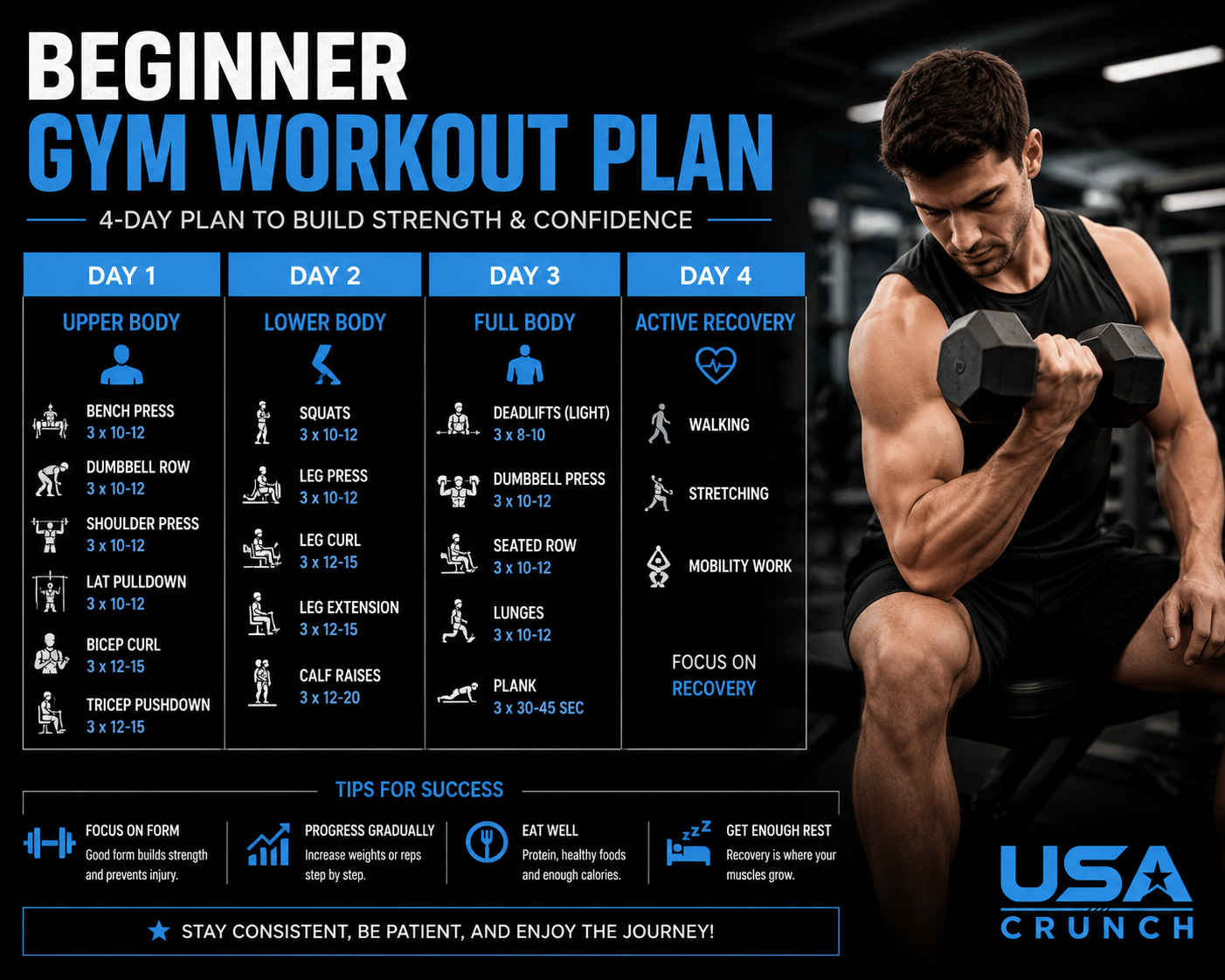
- Train with progressive overload.
- Prioritize compound exercises.
- Sleep for 7–9 hours each night.
- Stay hydrated throughout the day.
- Track your progress and adjust your diet as needed.
- Be patient and stay consistent.
Frequently Asked Questions (FAQs)
1. What is the best food for muscle gain?
Chicken breast, eggs, salmon, lean beef, Greek yogurt, oats, and brown rice are among the best foods for building muscle due to their high protein and nutrient content.
2. How much protein do I need to build muscle?
Most active adults aiming to build muscle benefit from approximately 1.6–2.2 grams of protein per kilogram of body weight each day, depending on training intensity and overall diet.
3. Are carbohydrates necessary for muscle growth?
Yes. Carbohydrates replenish glycogen stores, fuel workouts, and help preserve protein for muscle repair instead of being used as an energy source.
4. Can I build muscle without supplements?
Absolutely. A balanced diet containing lean proteins, whole grains, fruits, vegetables, and healthy fats can provide all the essential nutrients needed for muscle growth.
5. Which healthy fats are best for muscle gain?
Avocados, olive oil, nuts, seeds, and natural peanut butter are excellent choices because they support hormone production and provide additional calories.
6. How many meals should I eat daily?
Many people find that eating 4–6 balanced meals throughout the day helps them meet their calorie and protein goals while supporting recovery.
Conclusion:
Choosing the best foods for muscle gain is one of the most effective ways to improve strength, recovery, and overall performance. A successful muscle-building diet includes lean proteins, complex carbohydrates, healthy fats, fruits, vegetables, and plenty of water.
Combine these nutritious foods with a well-structured resistance training program, adequate sleep, and consistent effort to achieve lasting results. Remember that building muscle takes time, so focus on steady progress rather than quick fixes.
For additional evidence-based nutrition guidance, visit the Academy of Nutrition and Dietetics.
Final Thoughts
Building muscle is a journey that depends on smart training and quality nutrition. By making the right food choices every day, you can fuel your workouts, recover more efficiently, and steadily increase your strength and lean muscle mass.