Walking for Weight Loss: Easy Steps to Burn Fat Faste
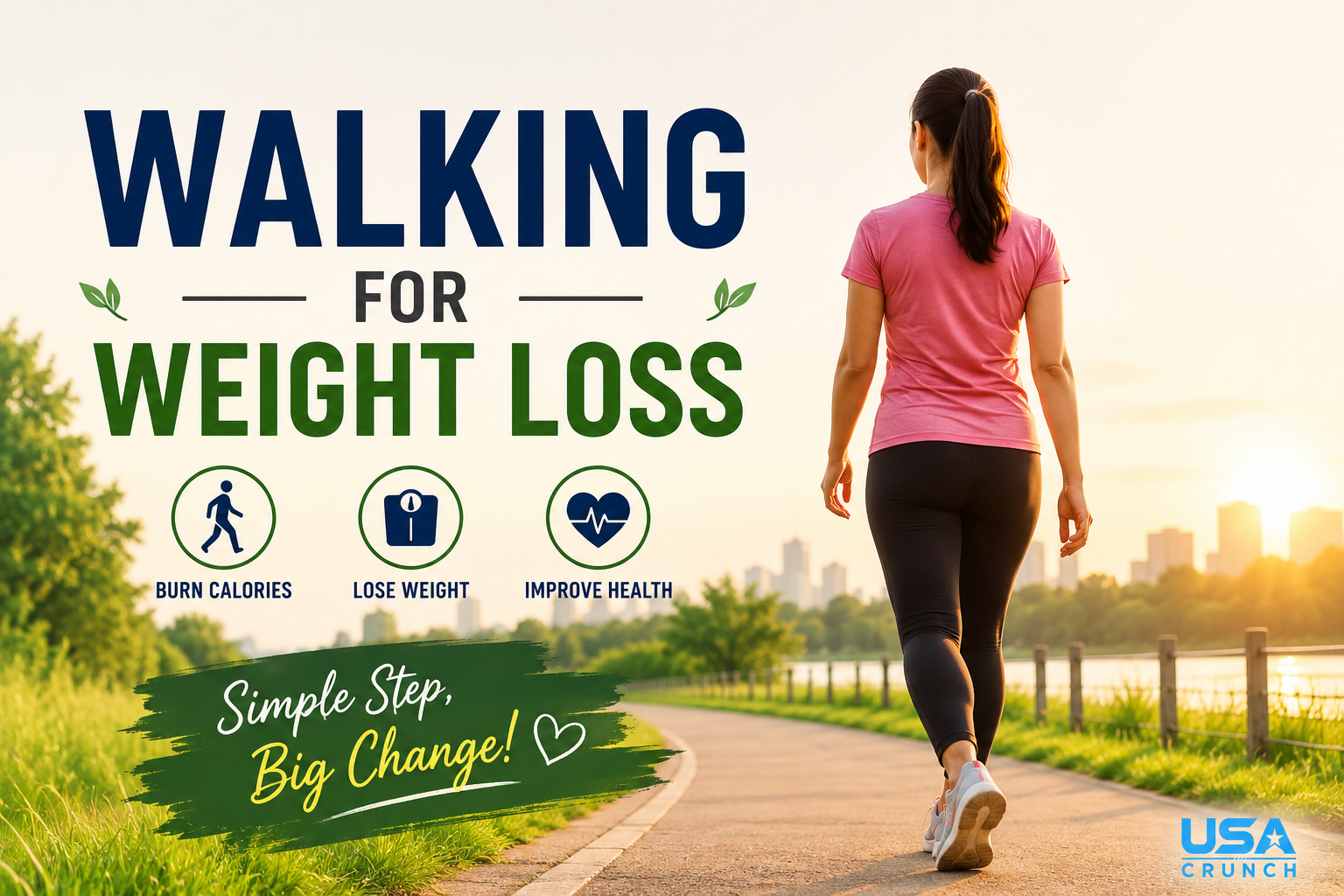
Walking is one of the most underrated forms of exercise. While many people believe that intense workouts are necessary to lose weight, the truth is that a consistent walking routine can help you burn calories, reduce body fat, and improve your overall health. The best part is that walking requires no expensive equipment, no gym membership, and very little experience.
For beginners, walking is often the perfect starting point for a healthier lifestyle. It is low-impact, easy on the joints, and can be adjusted to match any fitness level. Whether you walk in your neighborhood, at a local park, or on a treadmill, every step contributes to your weight loss goals.
Many successful Walking for weight loss journeys begin with a simple commitment to walk regularly. Combined with healthy eating habits, walking can create a calorie deficit that encourages your body to use stored fat for energy. Over time, this leads to noticeable improvements in weight, endurance, and overall well-being.
Benefits of Walking for Weight Loss

Walking provides numerous benefits beyond weight loss. It supports both physical and mental health while helping you maintain a consistent fitness routine.
Physical Benefits
- Burns calories and supports fat loss
- Improves cardiovascular health
- Strengthens muscles and bones
- Enhances balance and coordination
- Supports healthy blood sugar levels
Mental Benefits
- Reduces stress and anxiety
- Improves mood and confidence
- Increases energy levels
- Enhances sleep quality
Because walking is sustainable, people are more likely to stick with it long-term compared to high-intensity workouts that can feel overwhelming.
How Walking Helps Burn Fat

The process of weight loss comes down to burning more calories than you consume. Walking helps create this calorie deficit by increasing your daily energy expenditure.
When you walk, your body uses stored carbohydrates and fat as fuel. During longer walks, especially at a brisk pace, your body gradually relies more on fat stores for energy.
Several factors influence how many calories you burn:
| Factor | Impact |
|---|---|
| Body Weight | Heavier individuals burn more calories |
| Walking Speed | Faster pace increases calorie burn |
| Distance | Longer walks burn more calories |
| Terrain | Hills increase intensity |
| Fitness Level | Improved endurance supports longer sessions |
According to health experts, adults should aim for at least 150 minutes of moderate physical activity per week. For more guidance on physical activity recommendations, visit World Health Organization Physical Activity Guidelines.
12 Powerful Tips to Burn Fat Faster While Walking

1. Walk at a Brisk Pace
A brisk pace increases your heart rate and calorie burn. Aim for a speed where talking is possible but singing is difficult.
2. Increase Your Daily Step Count
Start with your current average and gradually work toward 8,000 to 12,000 steps per day.
3. Add Hills or Inclines
Walking uphill engages more muscles and significantly increases calorie expenditure.
4. Use Proper Posture
Keep your head up, shoulders relaxed, and core engaged to maximize efficiency.
5. Swing Your Arms
Arm movement increases overall energy expenditure and helps maintain balance.
6. Walk Consistently
Consistency is more important than intensity. Daily walks produce better results than occasional long sessions.
7. Try Interval Walking
Alternate between fast and moderate walking every few minutes to increase calorie burn.
8. Walk After Meals
A short walk after eating can improve digestion and help regulate blood sugar levels.
9. Wear Comfortable Shoes
Supportive footwear prevents injuries and encourages longer walks.
10. Track Your Progress
Fitness trackers and smartphone apps can help you stay motivated.
11. Walk with a Friend
Having a walking partner increases accountability and makes exercise more enjoyable.
12. Combine Walking with Healthy Eating
Nutrition plays a major role in weight loss. Walking works best when paired with balanced meals.
Creating a Walking Schedule for Beginners

A structured schedule helps build consistency.
| Week | Daily Walking Goal |
|---|---|
| 1 | 20 minutes |
| 2 | 25 minutes |
| 3 | 30 minutes |
| 4 | 35 minutes |
| 5 | 40 minutes |
| 6 | 45 minutes |
As your fitness improves, gradually increase speed and distance.
Weekly Example Plan
Monday: 30-minute brisk walk
Tuesday: 20-minute recovery walk
Wednesday: 35-minute brisk walk
Thursday: Rest or light walking
Friday: 40-minute walk
Saturday: Interval walking session
Sunday: Leisure walk
Nutrition Tips to Support Walking for Weight Loss

Nutrition and exercise work together to create successful weight loss results.
Eat More Protein
Protein helps maintain muscle mass and keeps you feeling full longer.
Stay Hydrated
Drink water throughout the day, especially before and after walks.
Choose Whole Foods
Focus on:
- Fruits
- Vegetables
- Lean proteins
- Whole grains
- Healthy fats
Limit Processed Foods
Highly processed foods often contain excess sugar and calories that can slow weight loss.
Watch Portion Sizes
Even healthy foods should be consumed in appropriate amounts.
Common Walking Mistakes That Slow Weight Loss

Many people unknowingly limit their progress by making simple mistakes.
Walking Too Slowly
A comfortable pace is good, but a brisk pace burns significantly more calories.
Inconsistent Routine
Skipping multiple days makes it harder to develop healthy habits.
Ignoring Nutrition
Exercise alone may not create enough calorie deficit for significant weight loss.
Wearing Poor Footwear
Unsupportive shoes can lead to discomfort and injuries.
Expecting Instant Results
Healthy weight loss takes time. Focus on long-term consistency rather than quick fixes.
Frequently Asked Questions
1. How much walking is needed to lose weight?
Most people benefit from 30 to 60 minutes of brisk walking on most days of the week.
2. Is walking better than running for weight loss?
Running burns more calories per minute, but walking is easier to sustain and gentler on the joints.
3. Can I lose belly fat by walking?
Walking helps reduce overall body fat, which can eventually reduce belly fat when combined with a healthy diet.
4. What is the best time to walk for weight loss?
The best time is whenever you can consistently fit it into your schedule.
5. Should I walk every day?
Yes, daily walking is generally safe and beneficial for most people.
6. How long does it take to see results?
Many people notice improvements in energy and fitness within a few weeks, while significant weight loss may take several months.
Conclusion:
Walking for weight loss is one of the most accessible, affordable, and effective ways to improve your health. It requires no special skills, can be done almost anywhere, and offers benefits that extend far beyond burning calories. By maintaining a consistent walking routine, improving your pace, following healthy eating habits, and avoiding common mistakes, you can steadily work toward your weight loss goals.
Remember that lasting results come from consistency rather than perfection. Every step counts, and over time those steps can lead to meaningful improvements in your weight, fitness, and overall quality of life. Start with a manageable goal today, stay committed, and enjoy the journey toward a healthier and more active lifestyle.