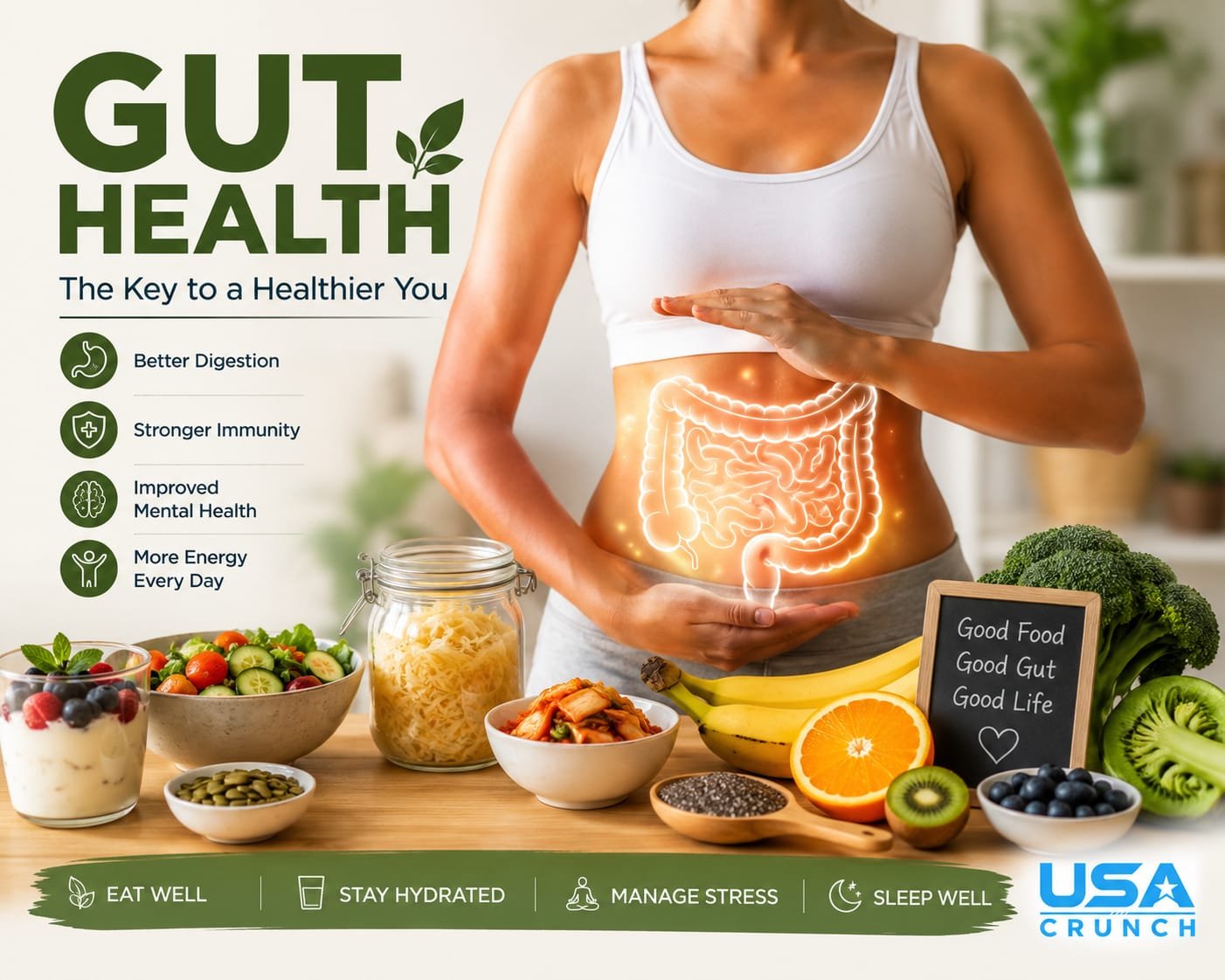
The health of your gut affects far more than your stomach. A healthy digestive system supports nutrient absorption, strengthens the immune system, influences mental well-being, and helps your body maintain energy throughout the day. In recent years, researchers have discovered that the trillions of microorganisms living in our digestive tract—known as the gut microbiome—play an essential role in overall health.
Whether you struggle with bloating, constipation, indigestion, or simply want to improve your well-being, taking care of your gut can make a significant difference. The good news is that improving gut health doesn’t require expensive supplements or complicated diets. Small, consistent lifestyle changes often provide the greatest benefits.
In this comprehensive guide, you’ll learn practical, science-backed tips to improve digestion, support a balanced gut microbiome, and enjoy better overall wellness.
What Is Gut Health?

Gut health refers to the balance and proper functioning of the digestive system, especially the microorganisms living in the intestines. These beneficial bacteria, fungi, and other microbes help:
- Digest food efficiently
- Produce essential vitamins
- Support immune function
- Protect against harmful bacteria
- Reduce inflammation
- Influence mood and brain function
A balanced gut microbiome allows your digestive system to work efficiently while supporting many other bodily functions.
Why Gut Health Matters

A healthy gut offers benefits beyond digestion. Research shows it influences several important aspects of health, including:
Better Digestion
Healthy gut bacteria help break down food, making nutrient absorption more efficient while reducing digestive discomfort.
Stronger Immune System
Around 70% of the immune system is associated with the gut. A balanced microbiome helps your body fight infections more effectively.
Improved Mental Health
Scientists often call the gut the “second brain” because of the strong connection between the digestive system and the brain. Healthy gut bacteria may support better mood and reduced stress.
Healthy Weight
Gut bacteria influence metabolism, appetite, and how efficiently the body stores energy.
Reduced Inflammation
Maintaining a healthy microbiome may lower chronic inflammation linked to many long-term health conditions.
Common Signs of an Unhealthy Gut

Many people experience symptoms that may indicate an unhealthy digestive system, including:
- Frequent bloating
- Gas
- Constipation
- Diarrhea
- Acid reflux
- Food intolerances
- Fatigue
- Poor sleep
- Sugar cravings
- Skin issues such as acne or eczema
- Frequent illness
Experiencing one symptom occasionally is normal, but persistent digestive problems should be discussed with a healthcare professional.
Best Foods for Gut Health

Your diet has the biggest impact on gut health.
1. High-Fiber Foods
Fiber feeds beneficial bacteria.
Excellent choices include:
- Apples
- Pears
- Oats
- Brown rice
- Lentils
- Chickpeas
- Broccoli
- Carrots
- Spinach
2. Fermented Foods
These naturally contain probiotics.
Examples include:
- Yogurt
- Kefir
- Kimchi
- Sauerkraut
- Miso
- Tempeh
3. Fruits
Fruits provide antioxidants and fiber.
Good options include:
- Bananas
- Berries
- Kiwi
- Oranges
4. Vegetables
Colorful vegetables provide vitamins and nutrients that support beneficial bacteria.
Aim to eat a variety every day.
5. Whole Grains
Whole grains contain prebiotic fiber that feeds healthy gut microbes.
Examples:
- Quinoa
- Oats
- Whole wheat
- Barley
Foods That Can Harm Gut Health

Some foods may negatively affect your microbiome when consumed regularly.
Try limiting:
- Highly processed foods
- Excess sugar
- Artificial sweeteners
- Fried foods
- Excess alcohol
- Processed meats
Enjoy these foods occasionally while focusing on whole, nutrient-rich options most of the time.
Daily Habits for Better Digestion

Improving gut health involves more than food.
Stay Hydrated
Water supports digestion and helps prevent constipation.
Exercise Regularly
Even a 30-minute walk improves digestion and supports healthy gut bacteria.
Eat Slowly
Chewing food thoroughly reduces digestive strain.
Sleep Well
Aim for 7–9 hours of quality sleep each night.
Reduce Stress
Chronic stress negatively affects digestion.
Try:
- Meditation
- Deep breathing
- Yoga
- Reading
- Spending time outdoors
The Role of Probiotics and Prebiotics

Although often confused, probiotics and prebiotics serve different purposes.
Probiotics
These are live beneficial bacteria found in fermented foods and supplements.
Prebiotics
These are fibers that feed healthy bacteria.
Common prebiotic foods include:
- Garlic
- Onions
- Leeks
- Bananas
- Asparagus
- Chicory root
Combining both supports a thriving gut microbiome.
Lifestyle Factors That Affect Gut Health

Several everyday habits influence digestion.
Positive habits:
- Regular exercise
- Healthy sleep
- Balanced meals
- Stress management
- Drinking enough water
Negative habits:
- Smoking
- Excess alcohol
- Lack of sleep
- Chronic stress
- Frequent consumption of ultra-processed foods
Gut Health and Immunity

The digestive tract acts as one of your body’s first lines of defense against harmful pathogens. Beneficial bacteria help prevent harmful microbes from growing while supporting healthy immune responses.
Eating a varied, fiber-rich diet helps maintain this protective environment.
Gut Health and Mental Wellness

The gut and brain constantly communicate through what scientists call the gut-brain axis.
Healthy gut bacteria may contribute to:
- Better mood
- Improved focus
- Reduced stress
- Better sleep quality
While gut health alone won’t solve mental health conditions, maintaining a healthy digestive system supports overall well-being.
Natural Ways to Improve Gut Health

Simple habits can have lasting effects.
- Eat more vegetables.
- Include fermented foods several times a week.
- Increase fiber gradually.
- Stay hydrated.
- Exercise regularly.
- Sleep consistently.
- Limit processed foods.
- Manage stress daily.
- Avoid unnecessary antibiotics unless prescribed.
- Eat a variety of plant-based foods.
Consistency matters more than perfection.
Common Myths About Gut Health

Myth 1: Everyone Needs Probiotic Supplements
Many people can support gut health through food alone.
Myth 2: Detox Diets Clean Your Gut
Your liver, kidneys, and digestive system naturally remove waste. Extreme detoxes are generally unnecessary.
Myth 3: All Bacteria Are Bad
Many bacteria are essential for good health.
Myth 4: Gut Health Only Affects Digestion
The gut also influences immunity, metabolism, and communication with the brain.
When to See a Doctor

Consult a healthcare provider if you experience:
- Persistent abdominal pain
- Blood in stool
- Unexplained weight loss
- Severe diarrhea
- Ongoing constipation
- Frequent vomiting
- Symptoms lasting several weeks
Professional evaluation can help identify underlying conditions that require treatment.
Frequently Asked Questions (FAQs)
How long does it take to improve gut health?
Some people notice improvements within a few weeks, while rebuilding a healthy gut microbiome may take several months depending on diet and lifestyle.
Is yogurt good for gut health?
Yes. Yogurt containing live active cultures can provide beneficial probiotics.
What is the best fruit for digestion?
Bananas, berries, kiwi, apples, and pears are excellent choices because they provide fiber and nutrients that support gut bacteria.
Does drinking water improve digestion?
Yes. Proper hydration supports healthy bowel movements and efficient digestion.
Are probiotics safe?
Most healthy adults tolerate probiotics well, but individuals with certain medical conditions should consult their healthcare provider before taking supplements.
Conclusion:
Gut health is one of the foundations of overall wellness. A balanced gut microbiome supports efficient digestion, stronger immunity, better energy levels, and even mental well-being. Fortunately, improving your gut doesn’t require drastic changes. By eating a fiber-rich diet, including fermented foods, staying active, managing stress, drinking enough water, and getting adequate sleep, you can support a healthier digestive system over time.
Remember that lasting results come from consistent daily habits rather than quick fixes. Small improvements made every day can lead to better digestion and long-term health.
Authority Resource
For evidence-based information on digestive health, visit the National Institute of Diabetes and Digestive and Kidney Diseases (NIDDK).