
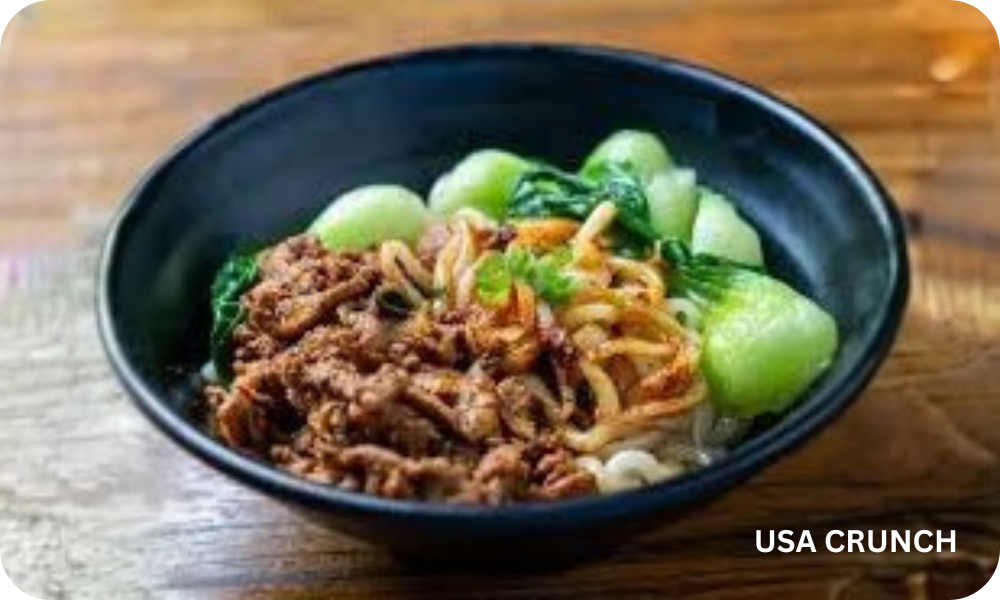
QQ noodle is a culinary term widely used in East and Southeast Asian food culture to describe noodles with a distinctive springy, elastic, and pleasantly chewy texture. The expression “QQ” originates from Taiwanese vernacular and conveys the sensory experience of resilient chewiness rather than referring to a specific brand or product. Over time, the term has evolved into a recognized descriptor of texture in noodle-making and related starch-based foods.
This article provides an in-depth exploration of QQ noodles including their defining characteristics, ingredient composition, production techniques, culinary applications, and nutritional considerations. The objective is to present an authoritative and structured explanation suitable for readers seeking detailed and reliable information.
Defining the Texture: What “QQ” Really Means
The defining attribute of QQ noodles is elasticity. Unlike soft or brittle noodles, QQ noodles demonstrate tensile strength and rebound when bitten. This texture is not accidental; it is the result of deliberate ingredient selection and precise preparation techniques.
The QQ quality can be described through the following technical characteristics:
-
Elastic resistance during mastication
-
Cohesive internal structure
-
Smooth external surface
-
Controlled firmness without hardness
Achieving this texture requires careful manipulation of starch gelatinization, gluten development (when wheat is used), and moisture balance.
Historical and Cultural Background
The concept of QQ texture is deeply associated with Taiwanese food culture. In Taiwan, the term is commonly applied not only to noodles but also to tapioca pearls in bubble tea, fish balls, and mochi-like desserts. Its popularity has spread throughout China, Singapore, Malaysia, and other regions with strong culinary exchanges.
Although the term itself is modern and colloquial, the techniques behind QQ noodles trace back centuries to traditional Chinese noodle-making practices. Regions such as Shanxi and Lanzhou in China are historically known for hand-pulled and knife-cut noodles that emphasize chewiness and elasticity.
Ingredients and Composition
The precise formulation of QQ noodles varies depending on the type, but the fundamental ingredients typically include wheat flour or starch-based alternatives. The following components are commonly used:
Wheat flour serves as the structural base in many varieties. High-protein flour is preferred because it promotes strong gluten network formation, which enhances elasticity.
Water activates gluten proteins and facilitates dough formation. The hydration ratio must be carefully controlled to achieve the correct consistency.
Salt strengthens gluten bonds and contributes to firmness and resilience.
Alkaline agents such as kansui (a mixture of sodium carbonate and potassium carbonate) are sometimes added to increase elasticity and create the characteristic yellow color seen in certain noodle types.
In gluten-free variations, tapioca starch, sweet potato starch, or rice flour may be incorporated to replicate chewiness through starch gelatinization rather than gluten development.
Production Methods
The preparation of QQ noodles involves precise mechanical and biochemical processes. The steps below outline a standard production method for wheat-based QQ noodles.
The first stage involves mixing flour, salt, and water until a rough dough forms. Hydration must be gradual to prevent uneven texture.
Next, kneading develops the gluten network. This step is critical. The dough must be kneaded thoroughly until it becomes smooth and elastic. Insufficient kneading results in fragile noodles, while excessive kneading may lead to stiffness.
After kneading, the dough rests. Resting allows gluten relaxation, making the dough easier to shape while preserving elasticity.
The shaping stage may involve rolling and cutting, extrusion, or hand-pulling techniques. Each method influences final texture.
Finally, cooking is performed in rapidly boiling water. Proper timing is essential. Overcooking compromises elasticity and reduces the desired QQ quality.
Types of QQ Noodles
QQ noodles are not limited to a single variety. Several categories exist, each distinguished by ingredient composition and preparation method.
Wheat-based QQ noodles include ramen-style alkaline noodles and hand-pulled Chinese noodles. These rely primarily on gluten elasticity.
Rice-based QQ noodles utilize rice flour but may incorporate tapioca starch to enhance chewiness.
Starch-dominant noodles, such as sweet potato glass noodles, achieve a translucent appearance and springy texture through starch gelatinization.
Instant QQ noodles are manufactured using industrial techniques that preserve chewiness even after dehydration and rehydration.
Culinary Applications
QQ noodles are versatile and adaptable to numerous culinary contexts. Their resilient texture makes them suitable for both hot and cold preparations.
In soups, QQ noodles retain structural integrity without becoming soggy. This quality is especially valued in beef noodle soup and seafood broths.
In stir-fried dishes, the elasticity prevents breakage under high heat and continuous tossing.
Cold noodle salads benefit from the springy texture, which contrasts effectively with crisp vegetables and savory sauces.
Additionally, QQ noodles are frequently paired with bold seasonings, including soy-based sauces, chili oil, sesame paste, and fermented bean pastes.
Nutritional Considerations
The nutritional profile of QQ noodles depends on ingredient composition. Wheat-based varieties are primarily carbohydrate-rich, with moderate protein content derived from gluten.
Starch-based versions, particularly those using tapioca, may have lower protein content but maintain similar caloric density.
When evaluating health impact, consumers should consider:
-
Portion size
-
Sodium levels in accompanying broths or sauces
-
Presence of added fats in stir-fried preparations
Whole-grain versions offer increased dietary fiber and improved glycemic response compared to refined flour varieties.
Quality Assessment Criteria
Professionals evaluate QQ noodles using several measurable criteria.
Elasticity can be assessed through tensile testing or sensory evaluation.
Surface smoothness indicates proper hydration and shaping.
Cooking tolerance refers to the noodle’s ability to maintain structure over time in hot liquid.
A high-quality QQ noodle exhibits balanced firmness, chewiness, and structural resilience without gumminess.
Frequently Asked Questions About QQ Noodles
What distinguishes QQ noodles from regular noodles?
QQ noodles are specifically valued for their elastic, springy texture. Regular noodles may be soft or brittle, whereas QQ noodles are formulated and prepared to maximize chewiness and structural rebound.
Are QQ noodles a specific brand?
No. QQ is a descriptive term referring to texture rather than a commercial trademark. It is widely used in Taiwanese culinary vocabulary.
Can QQ texture be achieved without wheat flour?
Yes. Tapioca starch, sweet potato starch, and certain rice flour blends can create similar chewiness through controlled starch gelatinization.
Why are alkaline agents used in some QQ noodles?
Alkaline solutions such as kansui strengthen gluten bonds, enhance elasticity, and contribute to the distinctive yellow color and firm bite found in ramen-style noodles.
How can home cooks improve noodle elasticity?
To enhance elasticity at home, use high-protein flour, knead thoroughly, allow adequate resting time, and avoid overcooking. Measuring water precisely and maintaining strong boiling conditions are also critical.
Are QQ noodles healthier than regular noodles?
Nutritional value depends on ingredients rather than texture. Whole-grain versions may offer greater fiber, while highly refined versions are comparable to standard noodles in caloric content.
Why do some QQ noodles appear translucent?
Translucency typically indicates high starch content, particularly from sweet potato or mung bean starch, which becomes glass-like after gelatinization.
Conclusion:
QQ noodles represent more than a culinary trend; they embody a precise textural philosophy rooted in Asian food culture. Through careful control of gluten development, starch behavior, hydration, and cooking time, manufacturers and cooks achieve the hallmark elasticity that defines QQ quality.
Understanding the science and craftsmanship behind QQ noodles enables both culinary professionals and home cooks to replicate and appreciate their distinctive texture. With the proper techniques and ingredient selection, the sought-after springy bite can be consistently achieved, ensuring both structural integrity and sensory satisfaction in a wide range of dishes.