
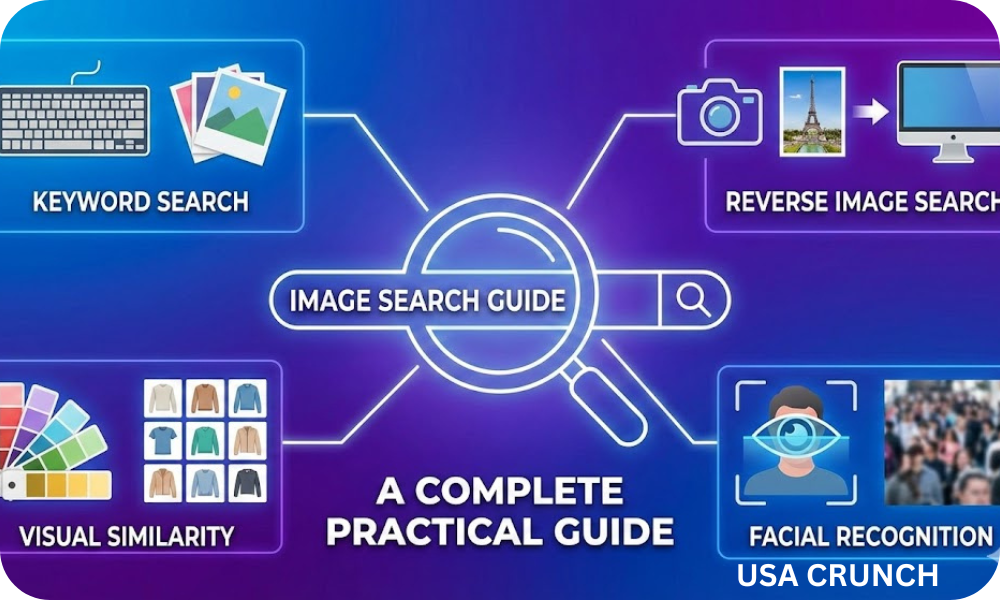
Image search techniques constitute a fundamental aspect of information retrieval in the digital age. With the proliferation of visual content across the internet and within proprietary systems, the ability to locate, analyze, and interpret images effectively has become a critical skill for researchers, professionals, and casual users alike. This article delineates the core principles, methods, and best practices associated with modern image search technologies. Presented in a formal, structured, and educational format, the content elucidates key concepts with precision and clarity, providing a reliable reference for both novices and experienced practitioners.
Understanding Image Search: Definitions and Scope
Image search refers to the process of locating relevant visual content based on a user’s query or input. Unlike text-based search—which relies primarily on keyword matching image search techniques operates along multiple dimensions, including visual similarity, metadata correlation, semantic interpretation, and contextual relevance.
Image search can be broadly categorized into two distinct paradigms:
-
Text-based Image Search: Searches for images using textual queries derived from keywords, phrases, or descriptive language.
-
Content-based Image Retrieval (CBIR): Searches for images based on visual content, such as color, texture, shape, or objects, often using a reference image as input.
These paradigms are not mutually exclusive and often operate in hybrid configurations within modern search systems.
Core Components of Image Search Systems
Image search systems typically consist of several interconnected components. Each component serves a distinct functional role and contributes to the overall effectiveness of retrieval.
1. Image Indexing
Image indexing involves the systematic organization of visual data in a searchable format. Indexing techniques may include:
-
Feature Extraction: Identification of distinguishing visual characteristics such as edges, color histograms, and texture patterns.
-
Metadata Tagging: Association of descriptive text, tags, and annotations with image data.
-
Semantic Labeling: Application of machine-generated labels that describe the content of an image in natural language.
Effective indexing ensures that the search algorithm can rapidly access and compare images based on relevant attributes.
2. Query Interpretation and Normalization
Query interpretation transforms user input into a form suitable for matching against indexed data. This can involve:
-
Text Tokenization: Breaking down textual queries into constituent keywords.
-
Natural Language Processing (NLP): Parsing and interpreting user intent.
-
Visual Query Encoding: Converting an input image into a numerical representation for comparison.
Normalization ensures that variations in spelling, synonyms, and contextual nuances do not impede the search process.
3. Matching and Ranking
This phase determines which images in the index are most relevant to the query. Matching mechanisms may include:
-
Similarity Metrics: Algorithms that compute the distance between image feature vectors.
-
Relevance Scoring: Weighted assessment of matches based on query context and user intent.
-
Machine Learning Models: Use of deep learning architectures, such as convolutional neural networks (CNNs), to enhance semantic understanding.
Ranking orders the results according to relevance, facilitating the retrieval of the most pertinent images.
Primary Image Search Techniques
Text-Based Searching
Text-based image search remains the most widely used approach due to its simplicity and accessibility. Users provide keywords or descriptive phrases, and the system identifies images whose associated metadata best aligns with the query.
Key considerations in text-based search include:
-
Precision of query terms
-
Use of advanced search operators (e.g., Boolean modifiers)
-
Handling of synonyms and language variations
Reverse Image Search
Reverse image search enables users to submit an existing image as the query input. The system then identifies visually similar or related images within its database.
Reverse image search is particularly useful for:
-
Identifying the original source of an image
-
Locating higher resolution versions
-
Detecting reuse or duplication across platforms
Content-Based Image Retrieval (CBIR)
CBIR leverages computational analysis of image content rather than textual descriptors. Techniques include:
-
Color Feature Matching: Comparison of color distributions within images.
-
Texture Analysis: Evaluation of surface patterns and repetitive structures.
-
Shape and Object Recognition: Detection of specific visual elements through feature detectors and descriptors such as SIFT, SURF, or ORB.
CBIR excels in scenarios where metadata is sparse or unreliable.
Semantic Image Search
Semantic search extends beyond surface attributes to interpret the meaning of visual content. Using advanced deep learning models, semantic search interprets higher-level concepts within images such as actions, scenes, and object relationships.
This approach is essential when users seek images that match conceptual descriptions rather than simple keywords.
Best Practices for Conducting Effective Image Searches
1. Define Clear Objectives
Clarify what you are seeking before constructing the search query. Precise intent leads to more accurate outcomes.
2. Use Descriptive and Specific Language
In text-based searches, avoid generic terms. Include specific attributes such as color, object type, setting, or context.
3. Combine Modalities Where Possible
Hybrid techniques that integrate text queries with content analysis often yield superior results.
4. Understand System Limitations
Each search system varies in capability. Familiarize yourself with the strengths and constraints of the platform you are using.
5. Validate and Refine
Iteratively evaluate results and refine queries to improve relevance and precision.
Applications of Image Search Techniques
Image search methodologies underpin a variety of real-world applications, including but not limited to:
-
Digital Asset Management: Efficient organization and retrieval of media libraries in enterprises.
-
E-Commerce: Product discovery through visual search interfaces.
-
Intellectual Property Enforcement: Tracking unauthorized use of proprietary images.
-
Academic Research: Sourcing and referencing visual materials for scholarly work.
-
Forensic Analysis: Investigating image origins and alterations in legal contexts.
Each application imposes unique requirements on image search techniques, emphasizing accuracy, speed, and semantic understanding.
Frequently Asked Questions
What differentiates reverse image search from traditional text-based search?
Reverse image search uses a visual input to retrieve images with similar visual characteristics, while text-based search matches user-provided keywords with metadata associated with images. Reverse image search does not depend on textual descriptors and excels when accurate metadata is unavailable.
How do image search engines interpret visual queries?
Modern image search engines convert visual inputs into numerical feature representations—often using deep learning models—that encode visual attributes such as shape, texture, and object presence. These representations are then compared with indexed images to identify similar items.
Can image search identify objects within images?
Yes. Advanced image search systems incorporate object detection and recognition models that can identify specific elements within an image. This enables retrieval based on conceptual content rather than superficial attributes.
Is image search effective for copyrighted content identification?
Image search can assist in identifying occurrences of copyrighted material across the internet. Reverse image search and digital fingerprinting techniques can be used to locate instances of reuse or duplication.
What challenges exist in image search accuracy?
Challenges include variability in image quality, lack of descriptive metadata, semantic ambiguity, and the complexity of interpreting visual context. Advanced machine learning approaches mitigate some of these issues but do not eliminate them entirely.
How do hybrid search systems enhance results?
Hybrid search systems combine text and visual analysis, leveraging the strengths of both to enhance relevance. Textual descriptors help narrow semantic intent, while visual features ensure precise visual matching.
Conclusion:
Image search techniques encompass a spectrum of methodologies tailored to locate and interpret visual information with precision and efficiency. Mastery of these techniques requires a foundational understanding of indexing, query processing, feature matching, and semantic interpretation. Whether for professional research, digital asset management, or forensic investigation, the judicious use of image search tools enhances productivity and fosters deeper engagement with visual content.
By adhering to structured search practices, defining clear objectives, and leveraging advanced technologies, users can navigate the vast landscape of visual data with confidence and accuracy.