
health

Mental Health Technician: Roles, Responsibilities, Career Path, and Professional Impact

A mental health technician, sometimes referred to as a psychiatric technician or behavioral health technician, is a frontline healthcare professional who supports individuals experiencing mental health conditions, emotional disturbances, or behavioral challenges. Working under the supervision of psychiatrists, psychologists, nurses, and other licensed clinicians, mental health technician play a vital role in maintaining patient safety, promoting therapeutic environments, and assisting in treatment and recovery processes.

This profession requires a combination of clinical awareness, emotional intelligence, crisis management skills, and strong communication abilities. As mental health services continue to expand in response to rising awareness of psychological well-being, the demand for trained mental health technicians continues to grow.

This article provides a detailed and structured overview of the profession, including responsibilities, work environments, qualifications, daily procedures, career opportunities, and professional expectations.

Understanding the Role of a Mental Health Technician

Mental health technicians provide direct care to patients in psychiatric and behavioral health settings. Their responsibilities involve observing patient behavior, supporting treatment plans, ensuring safety, and assisting individuals in daily functioning.

The technician acts as a bridge between patients and clinical staff. While they do not provide therapy or diagnose conditions, their continuous interaction with patients allows them to notice behavioral changes and report them to medical professionals.

The role requires balancing compassion with professional boundaries while maintaining a structured and secure environment.

Core Responsibilities and Daily Functions

A mental health technician’s responsibilities vary depending on the facility and patient population. However, common duties typically include monitoring patient behavior, assisting with daily routines, and supporting therapeutic activities.

Technicians observe patients closely for signs of distress, aggression, or emotional deterioration. Accurate documentation of patient behavior is crucial because clinicians rely on these records to evaluate treatment progress.

They also assist patients with activities of daily living, such as hygiene routines, meal assistance, and medication supervision under nursing guidance. Maintaining a calm, orderly, and safe environment is central to the role.

In many settings, technicians help facilitate group activities designed to promote social skills, coping strategies, and emotional regulation.

Work Environments and Employment Settings

Mental health technicians are employed in various healthcare and community environments. Each setting influences daily tasks and the type of patient interaction required.

Psychiatric hospitals often involve caring for individuals with acute mental health crises requiring close supervision and safety measures. General hospitals employ technicians in behavioral health units supporting short-term stabilization.

Residential treatment centers and rehabilitation facilities involve longer-term care for individuals managing substance use disorders or chronic mental health conditions. Technicians may also work in correctional facilities, outpatient centers, and community mental health programs.

The pace, intensity, and responsibilities differ depending on whether the environment is acute care, long-term treatment, or community-based support.

Educational Requirements and Training Pathways

The educational pathway to becoming a mental health technician varies by region and employer requirements. Many positions require at least a high school diploma or equivalent, although employers increasingly prefer candidates with postsecondary education in psychology, human services, or behavioral health.

Community colleges and vocational schools often offer certification programs that include coursework in psychology fundamentals, crisis intervention, and patient care procedures. Some facilities provide on-the-job training, particularly in entry-level positions.

Background checks, CPR certification, and safety training are commonly required due to the vulnerable populations served.

Essential Skills and Professional Competencies

Success in this profession depends on both technical knowledge and interpersonal skills. Technicians must demonstrate emotional resilience, patience, and effective communication skills while working with individuals experiencing psychological distress.

Strong observation skills are essential for recognizing behavioral changes or potential safety risks. Crisis management ability is also crucial because technicians may encounter aggressive or self-harming behavior.

Professional boundaries, ethical conduct, and confidencantiality practices are mandatory in all healthcare settings.

Time management skills help technicians manage multiple patient needs simultaneously while maintaining documentation accuracy and safety protocols.

Step-by-Step Overview of a Typical Workday

A typical workday follows a structured routine designed to ensure patient care continuity and safety.

The shift usually begins with a handover meeting where technicians receive updates on patient conditions, treatment plans, and potential risks. After reviewing assignments, technicians monitor patient routines, assist with morning care activities, and document observations.

Throughout the day, they supervise group sessions, assist with meals, support therapeutic programs, and monitor medication administration under nurse supervision. Continuous observation ensures patient safety and emotional stability.

The shift concludes with detailed reporting to incoming staff to maintain continuity of care.

Safety and Crisis Intervention Responsibilities

Safety is one of the most critical components of a mental health technician’s role. Patients may experience emotional distress that leads to self-harm risks or aggressive behaviors.

Technicians are trained in de-escalation techniques to reduce conflict and stabilize emotionally heightened situations. Physical interventions are only used when necessary and in accordance with institutional protocols.

Constant awareness and early identification of escalating behaviors help prevent crises and maintain a secure environment for patients and staff.

Career Advancement and Professional Growth Opportunities

Mental health technician positions often serve as entry points into broader mental health careers. Many professionals use this role as experience toward becoming licensed practical nurses, registered nurses, social workers, or psychologists.

With additional education, technicians may advance into supervisory roles, case management positions, or specialized behavioral therapy support roles.

Experience in mental health settings provides valuable clinical exposure that supports career development across healthcare and counseling fields.

Emotional Challenges and Job Satisfaction

Working in mental health care can be emotionally demanding due to exposure to trauma, crisis situations, and patient suffering. However, many professionals find the role deeply fulfilling because they directly support patient recovery and stabilization.

Positive patient progress, improved coping skills, and successful discharge outcomes provide meaningful professional satisfaction.

Institutions increasingly emphasize staff wellness programs and mental health support to help technicians manage workplace stress.

The Growing Importance of Mental Health Technicians

Global awareness of mental health conditions has significantly increased demand for accessible treatment services. Mental health technicians are critical in meeting this demand by supporting treatment teams and improving patient care quality.

Their consistent presence in patient care settings allows treatment programs to function effectively while maintaining safety and therapeutic structure.

As mental health care systems expand, technicians remain essential contributors to recovery-oriented care models.

Frequently Asked Questions About Mental Health Technicians

What qualifications are needed to become a mental health technician?

Most positions require at least a high school diploma, although many employers prefer candidates with postsecondary education in psychology or human services. Certification programs and employer-provided training are common pathways into the profession.

Is prior healthcare experience necessary for employment?

Prior healthcare experience is beneficial but not always required. Many facilities provide training in patient care, safety procedures, and crisis management for entry-level employees.

Do mental health technicians provide therapy?

Mental health technicians do not provide therapy or clinical diagnoses. Instead, they support therapeutic programs and monitor patient behavior while licensed clinicians conduct treatment and therapy sessions.

Is the job physically demanding?

The job can involve physical demands, including standing for long periods, assisting patients with mobility, and responding to crisis situations. Physical stamina and safety training are important components of the role.

What is the difference between a psychiatric technician and a mental health technician?

Terminology varies by region. Some states license psychiatric technicians with specialized training, while mental health technicians may function under broader job classifications. Responsibilities often overlap depending on the employer.

Are there opportunities for career growth?

Yes. Many technicians pursue additional education and advance into nursing, social work, psychology, or behavioral therapy roles. Experience gained in this position provides a strong foundation for professional advancement.

Is working in mental health stressful?

The work can be emotionally challenging due to exposure to crisis situations. However, many professionals find fulfillment in supporting patient recovery and contributing to improved mental health outcomes.

Conclusion:

Mental health technicians are essential members of modern healthcare teams, providing direct support to individuals facing psychological and emotional challenges. Their role demands compassion, vigilance, communication skills, and professional discipline.

As mental health services continue to expand globally, the need for skilled technicians remains strong. For individuals interested in healthcare careers that combine patient interaction, crisis management, and meaningful service, becoming a mental health technician offers a rewarding and impactful professional path.

Mental Health Technician: Roles, Responsibilities, Career Path, and Professional Impact Read More »

Health Write for Us: A Comprehensive Guide for Contributors and Readers

The phrase “Health Write for Us” represents an open invitation for qualified writers, healthcare professionals, researchers, and subject-matter experts to contribute authoritative content to health-focused platforms. These opportunities are designed to expand access to accurate, evidence-based health information while fostering collaboration among professionals dedicated to public well-being. A well-structured health write for us program benefits both contributors and readers by ensuring high editorial standards, topical relevance, and educational value.

This article provides a detailed and formal overview of health write-for-us initiatives, including their purpose, expectations, content standards, submission processes, and long-term value. It is intended to serve as a definitive reference for individuals seeking to publish high-quality health content and for organizations aiming to attract credible contributors.

Purpose and Scope of Health Write for Us Platforms

Health write-for-us platforms are established to disseminate reliable medical and wellness information to a broad audience. Their primary objective is to bridge the gap between complex medical knowledge and public understanding through clear, accurate, and responsibly written content.

The scope of accepted topics typically includes preventive healthcare, nutrition science, mental health, chronic disease management, fitness and rehabilitation, public health policy, and emerging medical research. Content is expected to be educational rather than promotional, ensuring that readers receive unbiased and practical insights grounded in scientific evidence.

Target Audience and Contributor Profile

The target audience for health write-for-us content includes general readers seeking trustworthy health guidance, patients looking to better understand medical conditions, and professionals interested in interdisciplinary perspectives. As a result, contributors are expected to demonstrate both subject expertise and the ability to communicate complex information in an accessible manner.

Ideal contributors often include licensed healthcare practitioners, public health professionals, academic researchers, certified nutritionists, mental health specialists, and experienced health writers with a strong research background. Professional credibility and adherence to ethical standards are essential for maintaining the integrity of published material.

Content Standards and Editorial Expectations

Health write-for-us platforms maintain rigorous editorial standards to ensure accuracy, clarity, and reliability. Submissions are typically required to be original, plagiarism-free, and supported by credible sources such as peer-reviewed journals, government health agencies, or recognized medical institutions.

Language must be precise and formal, avoiding sensationalism or unsupported claims. Medical terminology should be used appropriately and explained where necessary to support reader comprehension. Content should follow a logical structure with clearly defined sections, enabling readers to navigate topics efficiently and understand key concepts step by step.

Recommended Structure for Health Articles

A well-organized structure is critical for effective health communication. Articles generally begin with an introduction that outlines the topic and its relevance, followed by detailed sections that explore definitions, mechanisms, causes, symptoms, prevention strategies, and management approaches as applicable. A concluding section typically summarizes key points and reinforces practical takeaways.

Headings and subheadings should be used consistently to guide readers through the content. Each section should build logically upon the previous one, ensuring continuity and coherence throughout the article.

Ethical and Legal Considerations in Health Writing

Health write-for-us contributors must adhere to strict ethical and legal guidelines. Content should never replace professional medical advice, diagnosis, or treatment. Clear disclaimers are often required to inform readers that the information provided is for educational purposes only.

Writers must avoid making definitive claims about treatments or outcomes unless supported by high-quality evidence. Patient privacy, cultural sensitivity, and responsible representation of health risks are essential components of ethical health communication.

Submission and Review Process

The submission process for health write-for-us platforms is typically structured to ensure quality control. Contributors are often required to submit a completed article or a detailed pitch outlining the proposed topic, key points, and target audience. Editorial teams review submissions for accuracy, relevance, originality, and alignment with platform guidelines.

Revisions may be requested to improve clarity, strengthen evidence, or adjust tone. Once approved, articles are scheduled for publication according to the platform’s editorial calendar. This process ensures consistency and maintains the credibility of the health information provided.

Long-Term Value of Contributing to Health Write for Us Programs

Contributing to health write-for-us initiatives offers significant professional and educational benefits. Writers gain visibility within the health and wellness community, establish thought leadership, and contribute to public health education. Published articles often serve as lasting resources that continue to inform and influence readers over time.

For organizations, accepting expert contributions enhances content diversity, strengthens authority, and supports ongoing audience engagement. The collaborative nature of these programs ultimately advances the shared goal of improving health literacy.

Frequently Asked Questions About Health Write for Us

What does “Health Write for Us” mean in a professional context?

In a professional context, “Health Write for Us” refers to an open call from health-focused platforms inviting qualified contributors to submit well-researched, educational articles. These initiatives prioritize accuracy, ethical responsibility, and public value over promotional content.

Who is eligible to contribute to health write-for-us platforms?

Eligibility generally extends to healthcare professionals, researchers, certified practitioners, and experienced health writers with demonstrable expertise. While formal credentials are often preferred, strong evidence of subject knowledge and writing proficiency may also be considered.

What types of topics are typically accepted?

Accepted topics usually encompass preventive care, medical conditions, mental health, nutrition, fitness, public health, and healthcare innovations. Topics must align with evidence-based practices and address reader needs without promoting unverified treatments or products.

How are submissions evaluated and approved?

Submissions are evaluated through an editorial review process that assesses originality, factual accuracy, clarity, and compliance with ethical guidelines. Editors may request revisions to ensure the content meets publication standards before final approval.

Why is formal structure important in health articles?

Formal structure ensures clarity, improves readability, and helps readers understand complex health information systematically. Organized sections and clear headings support effective knowledge transfer and reinforce the credibility of the content.

Conclusion:

Health write-for-us programs play a vital role in expanding access to reliable, educational health information. By adhering to structured writing practices, ethical standards, and evidence-based principles, contributors help build trustworthy resources that benefit both readers and the broader healthcare community. For writers seeking to share expertise and for platforms aiming to uphold informational integrity, health write-for-us initiatives represent a meaningful and impactful collaboration.

Health Write for Us: A Comprehensive Guide for Contributors and Readers Read More »

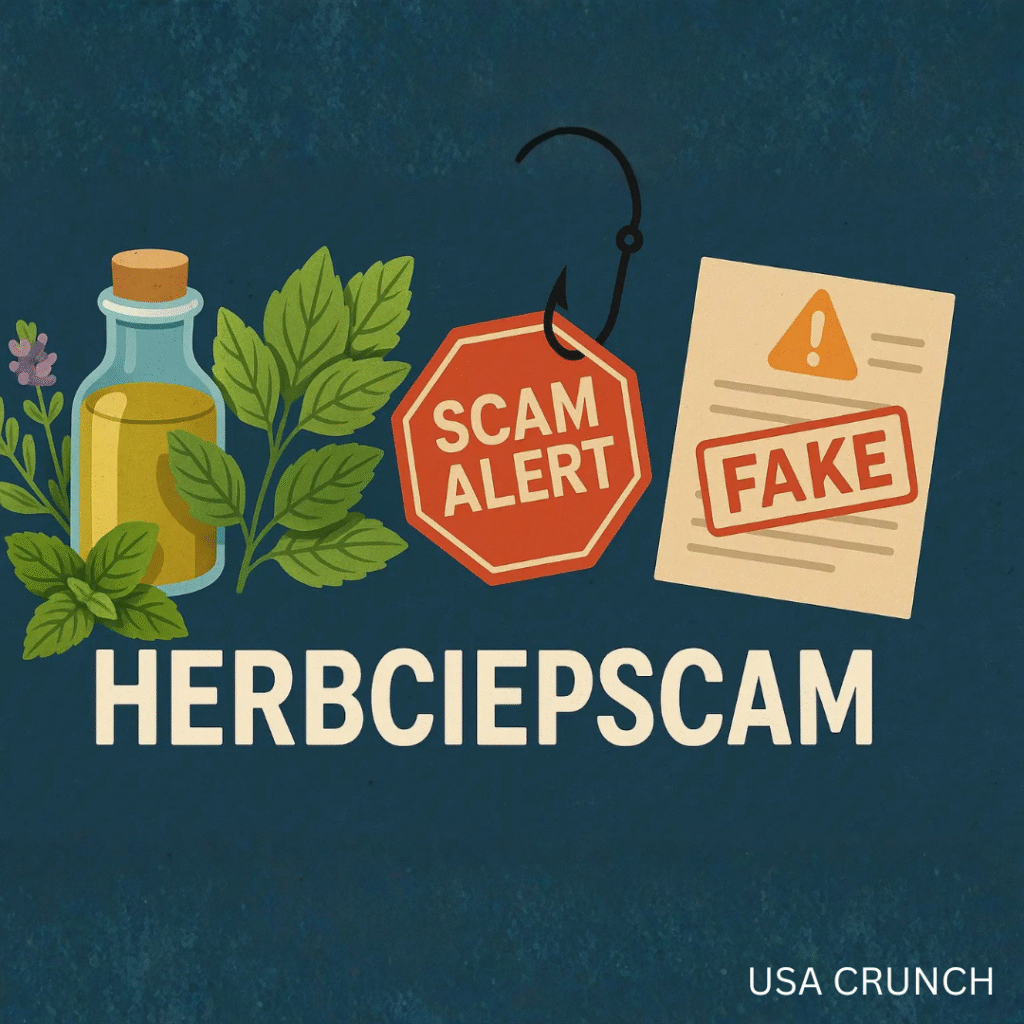
Herbciepscam: Truth, the Hype, and the Herbal Scam Alerts

Herbciepscam has emerged as a term in recent years to describe a phenomenon in the herbal supplement market where misleading claims, unverified products, and deceptive marketing practices intersect. While herbal remedies and supplements have a long-standing history of use in traditional medicine, the modern commercialized environment has created conditions where consumers can be vulnerable to scams. The term “Herbciepscam” specifically refers to products or operations that falsely claim health benefits without scientific validation, often leveraging hype, anecdotal testimonials, and aggressive online marketing to mislead potential buyers.

Understanding the distinction between legitimate herbal products and fraudulent offerings is essential for informed consumer decisions, as misuse can lead to financial loss, health risks, or delayed medical treatment.

The Truth Behind Herbal Supplements

Herbal supplements are substances derived from plant materials that are intended to support health, wellness, or specific physiological functions. Scientific studies have validated some herbal compounds, such as echinacea for immune support or turmeric for anti-inflammatory effects, while other claims remain unsubstantiated.

It is important to differentiate between evidence-based herbal interventions and products marketed primarily for profit without scientific credibility. Key principles for evaluating herbal products include:

  • Ingredient Transparency: Reliable products disclose all active ingredients, including concentrations, extraction methods, and potential interactions with pharmaceuticals.

  • Regulatory Compliance: In most jurisdictions, herbal supplements are subject to labeling and manufacturing regulations, although oversight may be less stringent than for pharmaceuticals.

  • Evidence of Efficacy: Clinical studies, peer-reviewed research, and documented pharmacological effects support claims made by legitimate products.

Consumers should adopt a critical approach to evaluating any herbal supplement, ensuring that marketing claims align with scientific evidence and regulatory standards.

The Hype Surrounding Herbal Products

The herbal supplement industry often leverages marketing strategies that emphasize quick results, natural remedies, and exotic or rare ingredients. This hype is amplified through social media, influencer endorsements, and anecdotal testimonials. While some marketing emphasizes legitimate benefits, it often crosses into exaggeration, creating unrealistic consumer expectations.

Common tactics include:

  • Miracle Claims: Promising dramatic health improvements with minimal effort or time.

  • Celebrity Endorsements: Associating products with public figures to imply credibility.

  • Scientific Jargon: Using technical terms or pseudo-scientific language to create a false impression of legitimacy.

  • Scarcity Marketing: Claiming limited availability to pressure immediate purchase decisions.

Understanding these tactics helps consumers critically assess claims and reduces susceptibility to deceptive marketing.

Identifying Herbal Scam Alerts

Herbciepscam alerts refer to warnings or indicators that a product may be fraudulent or misrepresented. Awareness of common red flags is critical for consumer protection:

  1. Lack of Clinical Evidence: Products that provide no peer-reviewed studies or clinical trials supporting their claims should be approached with caution.

  2. Unverified Testimonials: Reliance solely on anecdotal success stories without documented outcomes.

  3. Unclear Ingredient Sourcing: Products that do not specify botanical species, origin, or extraction method.

  4. Exaggerated Claims: Phrases such as “cures all diseases,” “instant results,” or “100% guaranteed” are often indicative of deceptive practices.

  5. Unregulated Sales Channels: Exclusively online or informal distribution channels without reputable third-party certification.

  6. Hidden Costs or Subscription Traps: Offers that require recurring payments or obscure cancellation policies.

Consumers should verify product legitimacy through government or third-party certifications, consult healthcare professionals before use, and report suspicious products to appropriate regulatory agencies.

Steps to Evaluate Herbal Products Safely

A structured evaluation process is essential to distinguish legitimate herbal supplements from potential scams:

  1. Research the Manufacturer: Confirm company history, certifications, and regulatory compliance.

  2. Examine Product Labeling: Verify ingredient clarity, concentration, and potential allergens.

  3. Review Scientific Literature: Seek peer-reviewed studies or credible clinical trials supporting product claims.

  4. Consult Healthcare Professionals: Engage qualified practitioners to assess potential interactions or contraindications.

  5. Check for Third-Party Testing: Independent laboratories or quality certifications indicate adherence to safety and purity standards.

  6. Monitor Consumer Feedback: Reliable reviews from verified buyers can provide insights into real-world efficacy and safety.

This methodical approach reduces the likelihood of falling victim to Herbciepscam or similar deceptive practices.

FAQ on Herbciepscam

What is Herbciepscam?
Herbciepscam refers to the phenomenon of fraudulent or misleading marketing in the herbal supplement industry, encompassing products that falsely claim health benefits without scientific support.

How can I differentiate between legitimate herbal supplements and scams?
Legitimate supplements disclose ingredients clearly, provide evidence-based claims, comply with regulatory standards, and often undergo third-party testing. Scam products typically rely on anecdotal evidence, exaggerated claims, and opaque sourcing.

Are all herbal supplements safe to use?
Not necessarily. Even legitimate herbal products can cause adverse effects or interact with medications. Safety depends on proper dosage, ingredient quality, and individual health conditions.

Where can I find reliable information on herbal products?
Sources include peer-reviewed journals, governmental health agencies, registered herbalists, and independent laboratories that provide certification or testing results.

What should I do if I encounter a potential herbal scam?
Report the product to local regulatory authorities, avoid purchasing, and consult healthcare professionals for safe alternatives. Sharing information on consumer protection platforms also helps prevent others from being misled.

Conclusion:

Herbciepscam underscores the need for vigilance, critical assessment, and evidence-based evaluation in the herbal supplement market. While herbal remedies can offer genuine health benefits, the prevalence of hype, exaggerated claims, and deceptive marketing practices necessitates a structured and informed approach. By understanding the underlying science, recognizing marketing tactics, and applying systematic evaluation methods, consumers can safeguard their health, finances, and well-being.

Herbciepscam: Truth, the Hype, and the Herbal Scam Alerts Read More »

Prostavive Colibrim: A Natural Solution for Prostate Health

Prostate health is a topic that often goes undiscussed, yet it plays a crucial role in men’s overall well-being. As men age, they may find themselves facing various prostate issues that can significantly impact their quality of life. From frequent bathroom trips to discomfort and even more serious complications, the symptoms can be both frustrating and alarming.

Navigating the world of prostate health doesn’t have to feel daunting. There are natural solutions available that address these concerns without relying solely on traditional medications or invasive procedures. One such option gaining attention is Prostavive Colibrim a product designed specifically for men seeking an effective and holistic approach to maintaining prostate health.

Join us as we delve into common prostate problems, explore conventional treatment methods, and discover how Prostavive Colibrim stands out as a promising alternative for those committed to nurturing their wellness naturally.

Common Prostate Issues and Symptoms

Prostate issues can affect men at various stages of life. One of the most common problems is benign prostatic hyperplasia (BPH), which leads to an enlarged prostate. This condition often causes uncomfortable urinary symptoms.

Men experiencing BPH may find it difficult to start urinating or notice a weak urine stream. Frequent trips to the bathroom, especially at night, can disrupt sleep and overall quality of life.

Another issue is prostatitis, which involves inflammation of the prostate gland. Symptoms vary widely but may include pelvic pain, discomfort during urination, and even flu-like signs in some cases.

Prostate cancer remains a significant concern as well. While it doesn’t always present noticeable symptoms initially, changes in urinary habits or blood in urine can be warning signs that shouldn’t be ignored.

Awareness and early detection are crucial for addressing these conditions effectively. Understanding your body helps you seek appropriate care when needed.

The Traditional Approach to Treating Prostate Problems

The traditional approach to treating prostate problems often involves medications and invasive procedures. Doctors frequently prescribe drugs that aim to reduce symptoms, like frequent urination or discomfort. While these can provide relief, they may come with side effects that affect overall well-being.

In more severe cases, surgical options are discussed. Procedures such as transurethral resection of the prostate (TURP) remove excess tissue but entail recovery time and potential complications. Many men find this route daunting.

Hormonal therapies also exist for those diagnosed with prostate cancer. These treatments target hormone levels but can lead to various health issues, including fatigue and mood changes.

Unfortunately, many patients feel trapped in a cycle of temporary fixes without addressing root causes. This scenario has led some individuals to seek natural alternatives that promise gentler yet effective solutions for long-term health management.

Introducing Prostavive Colibrim: A Natural Alternative

Prostavive Colibrim stands out as a promising natural alternative for those seeking to enhance prostate health. Unlike conventional medications, which often come with a long list of side effects, this supplement embraces the power of nature.

Crafted from carefully selected botanical ingredients, Prostavive Colibrim aims to support normal urinary function and overall prostate wellness. It offers a holistic approach that resonates with many men looking for gentle yet effective solutions.

What sets it apart is its unique formula designed to address common prostate issues without harsh chemicals. By harnessing nature’s potential, users can feel more confident in their choice.

With increasing awareness about the importance of maintaining prostate health naturally, Prostavive Colibrim has emerged as an appealing option on the market. It invites individuals to take control of their well-being through time-tested herbal remedies combined with modern science.

Key Ingredients and How They Benefit the Prostate

Prostavive Colibrim harnesses the power of nature to support prostate health. One standout ingredient is saw palmetto, known for its ability to reduce inflammation and balance hormone levels. This berry has been used for centuries, helping many men find relief from urinary discomfort.

Another vital component is pygeum africanum. Extracted from the bark of an African tree, it’s celebrated for promoting healthy urinary function. Regular intake can lead to fewer nighttime trips to the bathroom.

Zinc plays a crucial role too. It is essential for maintaining optimal prostate size and function. Sufficient zinc levels also help in supporting overall immune health.

Turmeric brings anti-inflammatory properties that may aid in reducing swelling in the prostate gland. Each ingredient works synergistically within Prostavive Colibrim, offering a natural approach without harsh side effects often associated with pharmaceuticals.

Success Stories from Users of Prostavive Colibrim

Users of Prostavive Colibrim have shared remarkable transformations in their prostate health. Many report noticeable relief from urinary discomfort, allowing them to enjoy life without frequent interruptions.

One user described a significant improvement in nighttime bathroom visits. After just a few weeks of using Prostavive Colibrim, he found himself sleeping through the night for the first time in years. This change brought him much-needed rest and rejuvenation.

Another satisfied customer praised its natural ingredients, emphasizing how gentle yet effective they are on his body. He noticed increased energy levels and an enhanced sense of well-being.

These testimonials highlight not only physical improvements but also emotional upliftment as men reclaim control over their health. With stories like these surfacing regularly, it’s clear that Prostavive Colibrim is making a real difference in many lives.

Tips for Maintaining a Healthy Prostate

Maintaining a healthy prostate involves a few simple lifestyle changes. First, focus on your diet. Incorporating plenty of fruits and vegetables can provide essential nutrients that support prostate health.

Regular exercise is also crucial. Aim for at least 30 minutes of moderate activity most days of the week. Activities like walking, swimming or cycling can improve blood flow and hormone regulation.

Stay hydrated by drinking ample water throughout the day. Proper hydration aids in urinary function and helps flush out toxins.

Don’t overlook stress management; high stress levels can negatively impact overall health, including prostate function. Consider mindfulness techniques such as yoga or meditation to keep stress in check.

Regular check-ups are vital for early detection of any potential issues. Discuss any concerns with your healthcare provider to stay proactive about your prostate health.

Conclusion:

Choosing Prostavive Colibrim as a natural solution for prostate health offers numerous advantages. This supplement is crafted with carefully selected ingredients that target common prostate issues effectively. Users have reported significant improvements in their symptoms, enhancing their overall quality of life.

Natural alternatives like Prostavive Colibrim allow individuals to address their health concerns without the side effects commonly associated with traditional medications. The testimonials from satisfied customers underscore its effectiveness and reliability.

Adopting a proactive approach to prostate health can make all the difference. With consistent use of Prostavive Colibrim combined with proper lifestyle choices, one can pave a path toward better well-being and vitality. Embracing this natural option may provide the support needed to maintain optimal prostate function and peace of mind.

Prostavive Colibrim: A Natural Solution for Prostate Health Read More »

Masgonzola Cheese: Taste, Uses, Benefits & Recipes

Cheese remains one of the most diverse and celebrated foods across the globe, with countless varieties contributing to culinary traditions both old and new. Among these, Masgonzola has emerged as a distinctive cheese that appeals to a wide audience. Inspired by the Italian Gorgonzola, Masgonzola is a semi-soft, blue-veined cheese designed to be smoother, creamier, and more approachable than its more pungent counterpart. While Gorgonzola can be sharp and salty, Masgonzola offers a gentler flavor profile that blends mild tanginess with buttery creaminess, creating a versatile cheese suitable for everyday dining as well as sophisticated recipes.

What Is Masgonzola Cheese?

Masgonzola belongs to the family of blue-veined cheeses but occupies a unique position within it. Unlike stronger blue cheeses that often intimidate beginners, this variety has been crafted to provide balance and refinement. Its body is soft and creamy, making it easy to spread, yet it retains enough structure to crumble when needed. The veins of blue mold that run through it contribute not only to its subtle earthy flavor but also to its appealing visual character. In contrast to the aggressive pungency of traditional Gorgonzola, Masgonzola has a restrained aroma that remains nutty and inviting, making it more approachable for those unfamiliar with stronger cheeses.

Taste Profile of Masgonzola

The defining quality of Masgonzola lies in its taste, which can be described as layered, subtle, and harmonious. The creaminess forms the foundation of the flavor, delivering a smooth mouthfeel that coats the palate without being cloying. This richness is balanced by a gentle tang that adds freshness and prevents the cheese from becoming heavy. Earthy undertones, reminiscent of mushrooms and nuts, provide complexity and depth, while a faint natural sweetness rounds out the overall impression. The result is a cheese that embodies both sophistication and accessibility, offering the complexity of a blue cheese without the sharp bite that might deter some people.

Culinary Uses of Masgonzola

Masgonzola shines in the kitchen because of its versatility. On a simple level, it makes an excellent addition to cheese boards where it can be paired with rustic bread, fresh fruit, or drizzles of honey. In such settings it reveals its gentle sweetness and tang, complementing both savory and sweet accompaniments. In cooked dishes, its adaptability becomes even more apparent. When stirred into pasta sauces, it melts beautifully, enriching the dish with creaminess and subtle depth. Risottos made with mushrooms or leafy greens gain an extra dimension when finished with Masgonzola, which enhances both flavor and texture. The cheese also pairs exceptionally well with meats, particularly when transformed into a sauce for steak or roasted chicken, where it balances richness with tang. Even seafood benefits from its qualities, as Masgonzola can be used in delicate cream sauces that enhance rather than overpower fish or shellfish. Vegetables also find a strong partner in this cheese, whether it is crumbled over salads, blended into roasted root vegetables, or incorporated into baked dishes such as tarts, quiches, or pizzas. Its ability to work in both rustic and refined recipes demonstrates why it has become increasingly valued by both home cooks and professional chefs.

Nutritional Benefits of Masgonzola

While Masgonzola is celebrated for its taste, it also carries nutritional value. Like most cheeses, it is a good source of protein, which contributes to muscle repair and satiety. It contains high levels of calcium and phosphorus, both of which are essential for bone strength and dental health. Vitamin B12, another nutrient found in Masgonzola, supports the production of red blood cells and the maintenance of neurological function. Because it is a blue-veined cheese, it also contains natural probiotics that may benefit digestive health. However, as with most cheeses, it should be enjoyed in moderation. Its sodium content can be significant, and its richness stems from saturated fat, which means portion control is important. For those with mild lactose intolerance, Masgonzola may be easier to digest than fresh cheeses because aging reduces lactose levels, though those with severe intolerance should remain cautious. In balance, Masgonzola provides both enjoyment and nutrition when incorporated thoughtfully into the diet.

Recipes Featuring Masgonzola

There are many ways to showcase Masgonzola in recipes. A simple appetizer such as crostini topped with Masgonzola, slices of ripe pear, and a drizzle of honey demonstrates how effortlessly it harmonizes sweet and savory flavors. For a more substantial dish, creamy pasta made by blending Masgonzola into a butter and cream base offers indulgence without becoming overly heavy, especially when garnished with herbs or nuts. Risotto also benefits from the inclusion of Masgonzola, as its creaminess enhances the luxurious texture while its earthy notes complement mushrooms. Meat dishes, particularly grilled steak, reach new levels of refinement when served with a sauce made from Masgonzola melted into cream and seasoned with pepper. Even lighter dishes such as flatbreads can be elevated by pairing Masgonzola with caramelized onions and fresh arugula, proving that this cheese can adapt to both casual and gourmet cooking.

Frequently Asked Questions

A frequent question is whether Masgonzola is the same as Gorgonzola, and the answer is no. Although inspired by Gorgonzola, Masgonzola is creamier, milder, and designed to appeal to those who might shy away from strong blue cheeses. Another question is whether it can be eaten raw, to which the answer is absolutely. In fact, its mild tang and creamy body make it ideal for direct enjoyment on bread, fruit, or crackers. Many also wonder about wine pairings. Masgonzola pairs elegantly with white wines such as Chardonnay or Sauvignon Blanc, which highlight its freshness, and also with light red wines like Pinot Noir that complement its earthy undertones. Regarding storage, Masgonzola should be wrapped in parchment or wax paper and placed inside an airtight container before refrigeration, ensuring it remains fresh for one to two weeks. Some ask whether it can be used in desserts, and the answer is yes. Masgonzola pairs particularly well with figs, honey, or even dark chocolate, making it suitable for sweet-savory combinations that delight the palate.

Conclusion:

Masgonzola cheese is an exceptional choice for anyone seeking a balance between the boldness of blue cheeses and the creaminess of softer varieties. Its unique flavor profile makes it approachable without sacrificing complexity, and its versatility allows it to shine in both simple and elaborate recipes. From cheese boards and salads to pastas, risottos, and meat sauces, Masgonzola adapts effortlessly, enhancing every dish it touches. It also offers nutritional value in the form of protein, calcium, vitamins, and probiotics, while reminding us of the importance of moderation in consumption. Beyond its culinary and nutritional qualities, Masgonzola serves as an entry point for those hesitant about blue cheeses, providing a gentle yet flavorful introduction. For home cooks and professional chefs alike, it is a cheese that deserves attention, offering both refinement and comfort in equal measure.

Masgonzola Cheese: Taste, Uses, Benefits & Recipes Read More »

Living with Inomyalgia: Tips for Managing Chronic Muscle Pain

Living with inomyalgia can be a challenging and challenging experience. For those who suffer from chronic muscle pain, daily activities often become a daunting challenge. Yet, understanding this condition and finding effective management strategies can make a significant difference in quality of life. If you’ve ever found yourself grappling with unexplained aches or fatigue that seems impossible to shake off, you’re not alone. Many people are navigating the complexities of inomyalgia every day.

In this blog post, we’ll dive deep into what inomyalgia is all about—from its symptoms and causes to how it’s diagnosed and treated. We’ll explore practical lifestyle changes that can help manage pain effectively while also addressing the importance of mental health support. Whether you’re newly diagnosed or have been living with this condition for years, there are pathways toward relief and resilience waiting for you. Let’s embark on this journey together!

What is Inomyalgia?

Inomyalgia is a chronic condition characterized by widespread muscle pain and tenderness. It often affects various areas of the body, making everyday tasks feel overwhelming. Unlike regular soreness from exercise, inomyalgia creates persistent discomfort that can last for months or even years.

This syndrome goes beyond just physical symptoms. Many individuals also experience fatigue, sleep disturbances, and cognitive challenges known as “fibro fog.” These overlapping issues frequently complicate diagnosis and treatment.

The exact cause of inomyalgia remains elusive. Researchers believe it may stem from an interplay of genetic factors, hormonal imbalances, and environmental triggers. Stressful life events may also exacerbate symptoms in those predisposed to this condition.

Understanding what inomyalgia entails is crucial for managing it effectively. Awareness opens the door to better coping mechanisms and support systems tailored specifically for those affected by this complex disorder.

Symptoms and Causes

Inomyalgia manifests through a range of symptoms that can significantly affect daily life. Chronic muscle pain is the hallmark, often described as persistent soreness or stiffness. This discomfort may fluctuate in intensity and can be triggered by stress, weather changes, or physical activity.

Fatigue commonly accompanies the pain. Individuals frequently report feeling drained even after minimal exertion. Sleep disturbances are also prevalent; many find it hard to enjoy restorative rest due to ongoing discomfort.

The exact causes of inomyalgia remain elusive. Genetic factors might play a role, while environmental triggers could exacerbate symptoms. Some researchers suggest an imbalance in neurotransmitters could contribute to heightened sensitivity to pain signals.

Stress management is vital since psychological factors can influence symptom severity too. Understanding these aspects helps individuals navigate their condition more effectively and seek appropriate support for better management strategies.

Diagnosis and Treatment Options

Diagnosing inomyalgia can be complex. Doctors often start with a thorough medical history and physical examination. They may also order blood tests to rule out other conditions that could mimic its symptoms.

Once diagnosed, treatment options vary widely. Medications are frequently prescribed to manage pain and alleviate inflammation. Nonsteroidal anti-inflammatory drugs (NSAIDs) or certain antidepressants may help alleviate discomfort.

Physical therapy plays an integral role too. A tailored exercise program can improve strength, flexibility, and overall function.

Alternative therapies such as acupuncture or massage might provide additional relief for some individuals. Each person’s experience with inomyalgia is unique; therefore, a personalized approach is essential for effective management of this chronic condition.

Lifestyle Changes for Managing Pain

Making small adjustments in daily life can greatly impact those living with inomyalgia. Start by focusing on your diet. Incorporating anti-inflammatory foods such as leafy greens, berries, and fatty fish can help reduce muscle pain.

Sleep plays a crucial role too. Aim for seven to nine hours of quality rest each night. Establishing a calming bedtime routine may ease nighttime discomfort and promote deeper sleep.

Stress management is essential. Consider mindfulness techniques like meditation or deep breathing exercises to lower stress levels throughout the day.

Stay hydrated; drinking plenty of water helps maintain overall health and supports muscle function.

Create a consistent schedule that includes breaks during tasks to prevent overexertion. Balancing activity with relaxation fosters better energy management while minimizing flare-ups associated with inomyalgia.

Exercise and Physical Therapy

Exercise and physical therapy play crucial roles in managing inomyalgia. Engaging in regular, gentle exercise can help reduce muscle pain and stiffness. Activities like walking, swimming, or yoga are often recommended.

A tailored physical therapy program can enhance mobility while addressing specific areas of discomfort. A professional can guide you through stretches and strengthening exercises designed to alleviate symptoms.

Listening to your body is vital when exercising with inomyalgia. Begin gradually and gradually increase the intensity as tolerated. Consistency is key; even short sessions spread throughout the week can yield benefits.

Incorporating relaxation techniques such as deep breathing during workouts may also improve outcomes. This approach not only supports physical health but also contributes to overall well-being by reducing stress levels associated with chronic pain conditions.

Coping Strategies for Mental Health

Living with inomyalgia can weigh heavily on mental health, often leading to feelings of isolation or frustration. Finding effective coping strategies is essential.

Mindfulness practices, such as meditation and deep-breathing exercises, can help center your thoughts and reduce anxiety. Even a few minutes each day can create a significant shift in mood.

Journaling offers another avenue for expression. Writing about your experiences aids in emotional processing and the identification of patterns over time. It’s also a great way to track what triggers flare-ups.

Connecting with individuals who share your journey can provide invaluable support. Consider joining local support groups or online forums where sharing stories fosters community.

Creative outlets like painting or music offer an escape from daily stressors. Engaging in enjoyable hobbies enhances overall well-being and helps alleviate pain.

Don’t hesitate to seek professional help when needed; therapists specializing in chronic illness can provide tailored strategies just for you.

Support Systems and Resources

Support systems are crucial for anyone living with inomyalgia. Connecting with individuals who share your experiences can significantly enhance your overall well-being.

Online forums and social media groups offer platforms to share stories, advice, and encouragement. Engaging in these communities can alleviate feelings of isolation.

Local support groups provide face-to-face interactions. Sharing your challenges and successes fosters camaraderie. Many find comfort knowing they’re not alone on this journey.

Healthcare professionals also play a vital role. Seek out specialists familiar with inomyalgia for tailored guidance. They can recommend resources that align with your needs.

Family and friends should be part of your support network too. Open conversations about what you’re facing helps them understand how best to help you.

Remember, finding the right combination of support may take time, but it’s essential for managing the emotional toll of chronic pain effectively.

Conclusion:

Living with inomyalgia can be a challenging journey, but it is one that many people navigate daily. Understanding this condition is crucial for effective management. By familiarizing yourself with the symptoms and causes, you are better equipped to seek appropriate diagnosis and treatment options.

Making lifestyle changes plays a vital role in managing chronic muscle pain associated with inomyalgia. Incorporating gentle exercises and physical therapy into your routine can significantly alleviate discomfort over time. Additionally, coping strategies focused on mental health will provide much-needed support as you face daily challenges.

Establishing robust support systems and utilizing available resources can also make all the difference. Whether through local support groups or online forums, connecting with others who understand your experiences fosters a sense of community.

Embracing these various approaches may lead to improved quality of life while living with inomyalgia. Each small step taken contributes positively toward managing this complex condition, allowing individuals to reclaim some control over their lives amid ongoing challenges.

Living with Inomyalgia: Tips for Managing Chronic Muscle Pain Read More »

Lepbound: A New Frontier in Medical Treatment

Imagine a world where chronic illnesses are managed with groundbreaking technology. Welcome to the realm of Lepbound, a revolutionary approach that has the potential to change lives and redefine medical treatment as we know it. Originating from years of research and innovation, Lepbound is set to be a game-changer in various healthcare sectors. It combines cutting-edge science with compassionate care, offering hope where traditional methods may fall short. As we delve into what makes Lepbound so extraordinary, you’ll discover how this innovative therapy could pave the way for healthier futures. Let’s embark on this journey together!

How Lepbound Works: An In-Depth Look at the Process

Lepbound operates through a sophisticated yet user-friendly mechanism. At its core, this treatment harnesses advanced biotechnological processes to target specific ailments at the cellular level.

The technology relies heavily on nano-delivery systems. These minuscule carriers transport therapeutic agents precisely where they are needed most. This localized approach enhances efficacy while minimizing side effects.

Once administered, Lepbound’s active components engage with the body’s biological pathways. This interaction triggers natural healing responses that can lead to significant improvements in health conditions.

Monitoring plays a crucial role during treatment. Continuous assessment allows healthcare professionals to adjust dosages and methods as necessary, ensuring optimal results tailored for each patient.

By focusing on individual needs, Lepbound sets itself apart from traditional treatments that often take a more generalized approach. The precision of its process marks a shift toward personalized medicine that’s both innovative and effective.

Success Stories: Real-Life Examples of Lepbound Treatment

The impact of Lepbound has been profound for many patients. One remarkable case involved Sarah, a 32-year-old battling chronic migraines for years. After just three sessions with Lepbound treatment, she reported significant relief and regained her quality of life.

Another inspiring story comes from Mark, who struggled with severe anxiety. Traditional therapies offered little respite until he turned to Lepbound. The results were transformative; within weeks, he found himself more at ease in social situations than ever before.

Then there’s Anna, whose autoimmune disorder had left her feeling hopeless. With the innovative approach of Lepbound therapy, she experienced a noticeable reduction in symptoms and increased energy levels.

These success stories highlight how Lepbound is changing lives and offering hope where conventional treatments often fall short. Each patient’s journey illustrates the potential of this groundbreaking technology in addressing complex medical issues effectively.

Advantages and Disadvantages of Lepbound

Lepbound offers numerous advantages in medical treatment. Its innovative approach targets specific conditions, providing tailored solutions for patients. This precision can lead to quicker recovery times and improved outcomes.

Another benefit is its minimal invasiveness compared to traditional methods. Many procedures require only outpatient visits, reducing hospital stays and allowing patients to return home swiftly.

However, there are drawbacks to consider. The technology behind Lepbound is still evolving, which means long-term effects remain uncertain. Some patients may experience side effects that aren’t yet fully understood.

Additionally, access can be an issue due to high costs or limited availability of facilities offering this treatment. Patients must weigh these factors carefully before opting for Lepbound as a solution for their health challenges.

Potential Future Developments in Lepbound Technology

As Lepbound technology evolves, researchers envision groundbreaking enhancements. One promising area is personalized treatment protocols. By tailoring therapies to individual genetic makeup, outcomes could improve significantly.

Another exciting development might involve integration with artificial intelligence. AI could analyze vast data sets, identifying patterns that humans may overlook. This would refine treatment plans and boost efficiency in patient care.

Additionally, the potential for remote monitoring of patients is on the horizon. Wearable devices linked to Lepbound systems can track progress in real-time. This ensures timely adjustments and fosters proactive management of health conditions.

Collaboration across disciplines also holds promise for innovation. Partnerships between tech companies and healthcare providers are likely to lead to novel applications of Lepbound technology that address a wider range of ailments.

The future looks bright as ongoing research continues to unravel new possibilities within this transformative medical frontier.

Ethical Considerations Surrounding Lepbound

The rapid development of Lepbound raises several ethical questions that deserve attention. As this treatment method gains traction, we must consider patient consent and understanding. Are individuals fully informed about the risks and benefits?

Equity in access is another crucial issue. If Lepbound becomes a standard treatment, will everyone have equal opportunity to benefit? Disparities in healthcare could widen if costs remain high or availability limited.

Additionally, there are concerns regarding long-term effects. With new technologies often lacking extensive research data, can we confidently predict their impact on future generations?

The potential for misuse cannot be overlooked. How do we prevent unethical applications of Lepbound technology? These considerations remind us that advancements in medicine must always align with our moral compass as a society.

Conclusion:

The potential of Lepbound in the realm of medical treatment is vast and ever-evolving. As we explore its origins, mechanisms, and real-life success stories, it becomes clear that this innovative approach could redefine how we tackle various health challenges.

With advantages like targeted therapies and personalized treatment plans, Lepbound offers hope for patients who may have exhausted traditional options. However, it’s essential to remain aware of the disadvantages and ethical considerations that accompany new technologies.

As research progresses, advancements in Lepbound technology promise to enhance its effectiveness further. This journey into a new frontier suggests a bright horizon where medical treatments become more efficient and accessible.

The landscape of healthcare is changing rapidly with innovations like Lepbound at the forefront. The commitment to continuous improvement ensures that this groundbreaking method will play an increasingly significant role in shaping patient care for years to come.

Lepbound: A New Frontier in Medical Treatment Read More »

Bntamnh E: Unraveling its Meaning and Uses

Welcome to the intriguing world of Bntamnh E! This enigmatic term may not be familiar to many, but its significance is rich and multifaceted. Whether you’re a curious explorer of new concepts or someone seeking deeper meanings in life, understanding Bntamnh E can open doors to fascinating insights. As we delve into its origins, interpretations, and practical applications, you’ll discover how this unique phrase resonates throughout various aspects of culture—art, literature, and even your everyday encounters. Let’s embark on this journey together and uncover the wonders that lie within Bntamnh E!

The Origins and History of Bntamnh E

Bntamnh E has roots that stretch back through the annals of time. Its origins are often shrouded in mystery, with various cultures claiming its conception.

Historians attribute Bntamnh E to ancient rituals, which used unique symbols to convey emotions and thoughts, evolving over centuries as societies changed and adapted to contemporary contexts.

In literature, this term began appearing during periods of social upheaval. Writers sought ways to express complex ideas succinctly. The meaning shifted, reflecting cultural changes while maintaining a core essence.

Art movements also embraced Bntamnh E, using visual representation to explore themes inherent within the phrase itself. As artists interpreted it through their lenses, they added layers of significance that continue resonating today.

This rich tapestry illustrates how Bntamnh E is more than just a phrase; it’s an evolving symbol deeply embedded in human expression and creativity.

The Different Interpretations of Bntamnh E

Bntamnh E carries a variety of meanings, shaped by cultural contexts and personal experiences. For some, it symbolizes resilience—an unwavering spirit in the face of adversity. This interpretation often resonates with those who seek strength during challenging times.

Others view Bntamnh E as a representation of connection.It embodies the ties between people, bridging gaps that distance can create. This perspective highlights the importance of relationships in our lives.

There are also artistic interpretations where Bntamnh E is seen through colors and forms. In this realm, it becomes a canvas for self-expression and creativity, inviting individuals to explore their emotions freely.

Bntamnh E is a philosophical concept that encourages profound contemplation on the nature of existence itself. It prompts questions about purpose and individuality, encouraging an exploration into what makes us unique beings navigating the world together.

Practical Applications of Bntamnh E

Bntamnh E has practical applications that extend far beyond its theoretical roots. In everyday life, understanding this concept can enhance communication strategies. By employing Bntamnh E principles, individuals can articulate thoughts more clearly and connect with others on a deeper level.

In professional settings, teams that embrace Bntamnh E often experience improved collaboration. It fosters an environment where diverse ideas are valued, leading to innovative solutions.

Moreover, educators utilizing Bntamnh E in their teaching methods create engaging learning experiences. This method is highly effective in fostering critical thinking among students.

On a personal level, incorporating Bntamnh E into daily routines can spark creativity and mindfulness. Whether through journaling or meditative practices, the essence of Bntamnh E nurtures self-reflection and growth.

From conversations to creative projects, the versatility of Bntamnh E makes it an invaluable tool for anyone looking to enrich their lives.

Famous Examples of Bntamnh E in Literature, Art, and Pop Culture

Bntamnh E has found its way into various artistic expressions, often leaving a profound impact on audiences. In literature, renowned authors have woven this concept into their narratives, exploring themes of identity and transformation.

In the realm of art, modern painters employ bntamnh e to convey deeper emotions through abstract forms and colors.The raw energy captured in these pieces resonates with viewers on multiple levels.

Pop culture also embraces bntamnh e in films and music.Iconic songs reference it as a metaphor for personal growth or societal change. Movies frequently depict characters embodying its essence during pivotal moments.

These examples showcase how versatile and powerful bntamnh e can be across different mediums. Each interpretation adds layers to our understanding of this intriguing concept while connecting diverse audiences worldwide.

How to Incorporate Bntamnh E into Your Daily Life

Incorporating bntamnh e into your daily routine can be both simple and enriching. Start by reflecting on its meaning in your life. Take a moment each morning to set an intention around this concept, allowing it to guide your actions.

Consider journaling about your experiences with bntamnh e. Memorize moments that evoke personal connection or stimulate creativity. This practice can help solidify its place in your thoughts.

Artistic expression is another way to embrace Bntamnh E. Try painting, drawing, or crafting something that embodies the essence of this idea for you.

Engage in conversations about bntamnh e with friends or family. Sharing interpretations fosters deeper understanding while expanding perspectives.

Create reminders—quotes or images—that evoke the spirit of bntamnh e in spaces you frequent. These visual cues can keep you connected throughout the day, turning abstract ideas into tangible inspiration.

Conclusion: The Power and Beauty of Bntamnh E

Bntamnh E is more than just a term; it encapsulates a rich tapestry of meanings and uses that resonate across cultures and disciplines. Its origins reveal deep historical roots, showcasing how language evolves over time. The various interpretations offer insight into human thought and creativity, inviting us to engage with the concept in diverse ways.

From artistic expressions to practical applications, bntamnh e has found its place in our lives. It inspires artists, writers, and everyday individuals alike to explore their unique perspectives. Whether through literature or pop culture references, its influence can be felt far and wide.

Incorporating bntamnh e into daily life opens doors to new experiences. It encourages mindfulness and reflection while enhancing the way we connect with others. Embracing this concept allows for personal growth as well as enriching interactions within our communities.

The power of bntamnh e lies not only in its meaning but also in its ability to inspire wonder and curiosity. There’s beauty in exploring something so multifaceted—an invitation to discover more about ourselves along the way. As you navigate your own journey with bntamnh e, may you find endless opportunities for inspiration and connection.

Bntamnh E: Unraveling its Meaning and Uses Read More »

Scroll to Top