
Blog

Application Client Container: Architecture, Functionality, and Implementation Guide

An Application Client Container is a critical component within modern enterprise and distributed computing environments. It provides the runtime environment required to execute client-side applications that interact with enterprise services, servers, and backend systems. By offering standardized services such as lifecycle management, dependency handling, security configuration, and communication support, the container ensures that application clients operate consistently and securely across diverse computing environments.

This article presents a comprehensive examination of the Application Client Container including its purpose, architecture, operational workflow, implementation strategies, and best practices. The discussion follows a structured and formal format designed to provide clarity and practical understanding for developers, system architects, and IT administrators.

Definition and Conceptual Overview

An Application Client Container can be defined as a managed runtime environment that executes client applications requiring access to enterprise services. These applications typically run on user machines or remote client systems while communicating with servers hosting business logic or data services.

The container abstracts complex infrastructure concerns such as resource management, communication protocols, security enforcement, and dependency resolution. Instead of manually configuring these components within each client application, developers rely on the container to supply standardized services.

This separation of responsibilities simplifies application development while improving maintainability and scalability across distributed systems.

Role in Enterprise Architecture

In enterprise computing environments, systems often follow a multi-tier architecture consisting of presentation, application logic, and data layers. Client applications represent the user-facing component, while servers handle processing and storage.

The Application Client Container bridges the gap between client-side execution and enterprise services. It provides communication channels to backend systems while maintaining consistent operational standards across multiple client devices.

By managing client execution environments, organizations achieve improved deployment control, standardized updates, and enhanced interoperability among distributed applications.

Core Functional Responsibilities

The Application Client Container fulfills several operational responsibilities essential to client application execution.

One major responsibility is lifecycle management. The container initializes applications, manages resource allocation, and ensures proper shutdown procedures to prevent resource leakage or system instability.

Another responsibility involves dependency management. Client applications often rely on libraries, configurations, and service references that must be properly resolved at runtime. The container automatically handles these dependencies.

Communication management is also a core function. The container supports secure interaction with enterprise services through standardized protocols, reducing complexity for application developers.

Security enforcement remains a critical responsibility. Authentication, authorization, and encryption policies are typically applied within the container environment to protect data and services.

Architecture of an Application Client Container

The architecture of an Application Client Container typically includes several interconnected components working together to deliver services to client applications.

At the foundation lies the runtime environment, which hosts the execution of application code. This layer interacts with operating system services and hardware resources.

Above this layer resides the container service framework, which provides dependency injection, configuration services, and communication support.

Security services integrate authentication mechanisms, certificate management, and secure communication protocols to safeguard enterprise interactions.

Finally, application interfaces expose enterprise resources, enabling client applications to invoke remote services while maintaining abstraction from underlying infrastructure complexities.

Operational Workflow

Understanding how an Application Client Container operates requires examining its execution sequence.

Initially, the container loads configuration parameters and initializes runtime services. These parameters may include service endpoints, authentication details, and resource allocation rules.

The container then loads the client application and resolves required dependencies. Libraries, modules, and service references are prepared before application execution begins.

Once execution starts, the container monitors resource consumption, manages communication sessions, and enforces security policies. Client applications perform tasks while the container ensures operational stability.

Upon termination, the container performs cleanup operations, releases system resources, and logs session details for auditing or troubleshooting purposes.

Advantages of Using an Application Client Container

Adopting container-based client execution environments yields numerous advantages in enterprise systems.

Standardization improves consistency across deployments, ensuring that applications run uniformly on different client machines without configuration discrepancies.

Security enforcement becomes centralized, reducing vulnerabilities caused by inconsistent client configurations.

Deployment and maintenance processes become more manageable since updates can be distributed efficiently through container-managed environments.

Scalability also improves, as containerized client applications integrate seamlessly with scalable backend services.

Finally, developer productivity increases because infrastructure concerns are handled by the container, allowing developers to focus on application logic.

Implementation Strategy

Implementing an Application Client Container requires careful planning and structured execution.

The initial step involves analyzing application requirements to determine communication protocols, service dependencies, and runtime needs.

Next, administrators configure container environments according to organizational security policies and operational standards.

Application packaging follows, where client applications are bundled with necessary metadata and dependencies compatible with the container framework.

Testing must then verify compatibility, security enforcement, and communication functionality before production deployment.

Ongoing monitoring ensures that client applications operate efficiently and that performance metrics meet organizational expectations.

Best Practices for Deployment and Management

To maximize effectiveness, organizations should follow disciplined deployment and management practices.

Standardizing container configurations across environments reduces operational inconsistencies and simplifies troubleshooting.

Security policies should be continuously updated to address emerging threats and compliance requirements.

Performance monitoring tools should be implemented to identify bottlenecks or resource inefficiencies.

Regular updates and maintenance cycles ensure compatibility with evolving backend services and technology platforms.

Finally, comprehensive documentation and training programs help development teams utilize container capabilities effectively.

Challenges and Considerations

Despite its advantages, deploying Application Client Containers presents certain challenges.

Compatibility issues may arise when integrating legacy client applications that were not designed for containerized execution.

Network latency or unstable connectivity can affect performance, particularly in remote or distributed client environments.

Security misconfigurations may lead to vulnerabilities if container policies are not correctly implemented or regularly updated.

Resource constraints on client devices can also impact performance, especially when multiple containerized applications operate simultaneously.

Addressing these challenges requires careful planning, continuous monitoring, and regular system updates.

Future Developments and Industry Trends

The evolution of container technology continues to shape client-side computing environments.

Integration with cloud-native architectures is becoming increasingly common, enabling seamless client interaction with cloud-hosted services.

Automation and intelligent resource management tools are expected to improve runtime efficiency and reduce administrative overhead.

Enhanced security frameworks will continue to evolve, particularly with increased focus on zero-trust architectures and distributed system protection.

Furthermore, edge computing integration may extend containerized client execution closer to end users, reducing latency and improving application responsiveness.

Frequently Asked Questions

What is an Application Client Container used for?

An Application Client Container is used to provide a standardized runtime environment for executing client applications that interact with enterprise systems. It manages dependencies, communication, and security while ensuring consistent operation across client devices.

How does an Application Client Container improve application security?

Security is enhanced by enforcing centralized authentication, authorization, and communication policies within the container environment. This approach reduces risks associated with inconsistent client configurations.

Can existing applications run inside an Application Client Container?

Many existing applications can operate within a container environment, although some legacy applications may require modification or adaptation to ensure compatibility with container services.

Does using a client container affect application performance?

Performance impact is generally minimal, and in many cases, containers improve performance by optimizing resource management and communication processes. However, performance depends on proper configuration and hardware capabilities.

Is an Application Client Container only used in large enterprises?

While commonly deployed in enterprise environments, containerized client solutions are increasingly used by medium-sized organizations and cloud-based service providers seeking improved deployment consistency and scalability.

What skills are required to manage Application Client Containers?

Management typically requires knowledge of enterprise architecture, networking, security configuration, application packaging, and system monitoring tools. Familiarity with container frameworks and deployment automation tools is also beneficial.

Conclusion:

The Application Client Container represents a fundamental advancement in managing client-side application execution within enterprise environments. By centralizing runtime services, enforcing security policies, and simplifying deployment processes, it enables organizations to maintain scalable, secure, and efficient distributed systems.

As digital infrastructures continue evolving, mastering container-based client execution environments will remain essential for organizations seeking operational excellence and sustainable technological growth.

Application Client Container: Architecture, Functionality, and Implementation Guide Read More »

Alboom: A Comprehensive Guide to Digital Album Creation and Management

Alboom represents a modern approach to digital album creation, management, and client delivery, designed to meet the needs of photographers, creative professionals, and businesses that require efficient image organization and presentation. As digital photography continues to dominate visual communication, platforms and systems like Alboom play a critical role in streamlining workflows, protecting image quality, and enhancing client experiences.

This article provides an in-depth examination of Alboom explaining its purpose, functionality, operational workflow, advantages, and practical implementation strategies. The discussion follows a structured format to ensure clarity, accuracy, and accessibility for both beginners and experienced professionals.

Understanding the Concept of Alboom

Alboom can be understood as a digital ecosystem dedicated to creating, organizing, and delivering professional photo albums and visual galleries. Unlike traditional albums, which rely on printed formats, Alboom operates within digital infrastructure, enabling photographers and businesses to manage projects efficiently while delivering high-quality experiences to clients.

The system typically integrates tools that support album creation, image organization, client selection processes, and final delivery workflows. By consolidating these stages into one environment, Alboom eliminates fragmented workflows and reduces administrative burdens.

Importance of Digital Album Platforms in Modern Photography

The transition from physical to digital photography has significantly changed how images are managed and delivered. Traditional methods often involved manual image sorting, printing coordination, and physical album assembly. These processes were time-consuming and prone to logistical errors.

Digital album platforms address these challenges by allowing professionals to handle image workflows digitally. Clients can review galleries remotely, select preferred photos, request edits, and receive final products without geographic constraints. The result is increased efficiency, faster turnaround times, and improved customer satisfaction.

Moreover, digital solutions enhance data security, provide scalable storage options, and enable professionals to maintain long-term archives for future reference.

Core Functional Components of Alboom

Alboom environments generally operate through several functional stages that ensure seamless album creation and delivery.

The process begins with image upload and organization, where photographers categorize and arrange images into structured folders or project albums. This stage ensures efficient management and quick retrieval.

Following organization, albums are designed digitally. Layout tools allow professionals to arrange images according to aesthetic or storytelling goals. This stage focuses on visual flow, composition, and presentation quality.

Client interaction is then introduced through secure gallery access. Clients can review images, mark favorites, request modifications, or approve selections directly through the system.

The final stage involves delivery and archiving. Completed albums are shared digitally or prepared for print production, while project data is securely stored for future access.

Advantages of Using Alboom Systems

The adoption of platforms like Alboom brings measurable benefits across operational, creative, and business dimensions.

One primary advantage is workflow efficiency. By centralizing album creation and client communication, professionals reduce repetitive administrative tasks and focus more on creative production.

Another significant benefit is professional presentation. Digital albums and galleries enhance brand image by offering polished, organized, and visually compelling experiences to clients.

Remote accessibility also improves collaboration. Clients can review albums from any location, accelerating approval processes and minimizing delays.

Finally, scalability allows professionals to handle increasing project volumes without proportional increases in workload or resource consumption.

Step-by-Step Implementation Strategy

Successful implementation of an Alboom workflow requires a structured approach.

The first step involves assessing operational needs. Photographers or businesses must evaluate project volume, storage requirements, and client interaction expectations to configure the system appropriately.

Next, album templates and organizational structures should be standardized. Consistency across projects improves workflow speed and maintains brand identity.

The third step involves training team members or collaborators. Familiarity with upload procedures, album design tools, and client communication features ensures consistent performance.

Finally, continuous evaluation is essential. Monitoring client feedback and workflow efficiency helps refine processes and maintain competitive service quality.

Best Practices for Effective Album Creation

To maximize results when working within an Alboom system, professionals should adopt strategic creative and operational practices.

Maintaining logical folder structures prevents confusion and speeds up editing and selection processes. Clear naming conventions and organized categorization improve long-term project management.

Image selection should focus on storytelling continuity. Albums should guide viewers through events or sessions smoothly rather than presenting disconnected images.

Design simplicity also enhances viewer experience. Balanced layouts, consistent spacing, and visual hierarchy ensure albums remain engaging without overwhelming clients.

Regular data backup procedures further protect valuable project assets from accidental loss.

Challenges and Considerations

Despite its advantages, digital album management introduces considerations that professionals must address.

Data storage requirements can grow rapidly, requiring reliable storage planning and cost management. Professionals must also consider internet dependency, as cloud-based workflows rely on stable connectivity.

Client education can sometimes be necessary. Some clients may initially prefer traditional albums or lack familiarity with digital selection tools, requiring guidance during early adoption.

Security considerations are equally important. Proper privacy controls and secure access protocols must be implemented to protect client content.

Future Outlook of Digital Album Platforms

Digital album systems continue evolving with technological advances. Integration of artificial intelligence, automated image sorting, and intelligent album design assistance are expected to further reduce production time.

Enhanced mobile compatibility will likely dominate future developments, allowing clients to interact with albums seamlessly across devices.

Augmented reality previews and immersive gallery experiences may also transform how visual stories are presented and consumed, bridging digital and physical presentation formats.

As demand for professional visual content grows, album platforms will increasingly serve as comprehensive client management and sales ecosystems.

Frequently Asked Questions

What is Alboom primarily used for?

Alboom is primarily used to create, organize, and deliver digital photo albums and galleries for clients. It helps photographers and creative professionals manage projects efficiently while providing clients with organized access to images and album selections.

Is Alboom suitable only for professional photographers?

While professional photographers benefit significantly from Alboom systems, the platform can also be used by studios, event organizers, marketing agencies, and businesses that require organized visual content presentation.

How does Alboom improve client experience?

Clients gain convenient access to galleries where they can review, select, and approve images remotely. This eliminates the need for physical meetings and accelerates album approval and delivery processes.

Can albums created in Alboom be printed?

Yes, digital albums created within such platforms can typically be exported or prepared for professional printing, allowing users to produce high-quality physical albums if desired.

Is data security maintained in digital album platforms?

Most modern album systems incorporate privacy controls and secure access measures to protect images. However, professionals should also implement their own security and backup procedures for maximum protection.

Does using Alboom reduce production time?

Yes, centralized workflows reduce manual coordination and administrative effort, significantly shortening album production and delivery timelines.

Conclusion:

Alboom represents a powerful evolution in album creation and digital image management. By integrating organization, design, client interaction, and delivery into a unified system, it empowers professionals to operate efficiently while maintaining high presentation standards.

As photography and visual communication continue to grow in importance, mastering platforms like Alboom becomes essential for professionals seeking operational excellence and competitive advantage. Through structured workflows, best practices, and continuous improvement, users can maximize the potential of digital album management to deliver outstanding visual experiences.

Alboom: A Comprehensive Guide to Digital Album Creation and Management Read More »

TalkToWendys: A Comprehensive Guide to the Wendy’s Customer Feedback

TalkToWendys is the official customer feedback platform operated by Wendy’s, one of the world’s leading quick-service restaurant chains. The platform enables customers to share their dining experiences directly with the company after making a purchase at a Wendy’s restaurant. By collecting structured feedback from customers, Wendy’s evaluates service quality, food standards, restaurant cleanliness, order accuracy, and overall customer satisfaction.

This article provides a detailed and structured explanation of how TalkToWendys functions, who can participate, the benefits offered, and the procedures customers should follow to complete the survey successfully. The aim is to present clear and reliable guidance while maintaining a formal and authoritative tone for readers seeking accurate information.

Purpose and Importance of the TalkToWendys Survey

The primary objective of TalkToWendys is to gather real customer opinions to improve operational performance across Wendy’s locations. Customer feedback plays a critical role in refining service delivery and maintaining product consistency.

By analyzing survey responses, Wendy’s management can identify strengths and areas needing improvement. These insights help restaurants improve customer service training, food preparation standards, and order fulfillment efficiency. In turn, customers benefit from better service and dining experiences in future visits.

How the TalkToWendys Survey Works

After purchasing food or beverages from a participating Wendy’s restaurant, customers receive a receipt containing survey participation details. This receipt typically includes a survey invitation code or store identification number needed to access the feedback portal.

Customers visit the official TalkToWendys website and enter the requested receipt information. Once access is granted, participants answer several questions regarding their recent visit. These questions focus on factors such as food quality, employee courtesy, restaurant cleanliness, and overall satisfaction.

After survey completion, customers are typically offered a validation code that can be redeemed for discounts or promotional items during their next visit, depending on current promotional terms.

Eligibility Requirements for Participation

Participation in the TalkToWendys survey generally requires customers to meet several conditions. Customers must have made a recent purchase at a participating Wendy’s restaurant and possess a valid receipt. The survey invitation code usually remains valid for a limited time period, often a few days after purchase.

Participants should also meet age requirements defined by local regulations and be residents of regions where the promotion is active. Survey rewards vary by location, and participation terms may differ slightly depending on country or franchise ownership.

Step-by-Step Participation Process

To participate successfully, customers should first retain their purchase receipt after ordering at Wendy’s. Next, they should access the official survey website through an internet-connected device. The receipt code or store information must then be entered accurately to proceed.

Participants are guided through a series of questions concerning their recent visit. Honest and precise responses help Wendy’s evaluate customer experiences more effectively. After completing the survey, participants receive a validation code or offer details that must be written on the receipt and presented during a future visit to redeem the reward.

Careful attention should be given to offer conditions, expiration dates, and redemption instructions to ensure successful reward use.

Rewards and Incentives Offered

Survey participants often receive promotional incentives as appreciation for their time and feedback. These incentives commonly include discounts on future purchases, complimentary menu items with a qualifying order, or special promotional deals.

The exact nature of rewards may vary by location, time period, and promotional campaign. Customers should review receipt instructions and survey completion messages to understand current reward terms and conditions.

Common Survey Participation Challenges

Some customers encounter difficulties when attempting to access or complete the survey. These challenges typically involve incorrect receipt information, expired survey codes, or technical issues related to internet browsers or devices.

Ensuring accurate entry of receipt details, using a stable internet connection, and accessing the survey within the valid time frame usually resolves most participation problems. If issues persist, customers may contact Wendy’s customer support for assistance.

Privacy and Data Usage Considerations

Wendy’s uses survey responses primarily for internal quality improvement and customer experience enhancement. Personal data collected during survey participation is generally handled according to privacy regulations and corporate data policies.

Participants are encouraged to review privacy statements available on the survey website to understand how their information is collected, stored, and used.

Benefits of the Survey for Customers and Wendy’s

The TalkToWendys platform creates mutual benefits for both customers and the restaurant chain. Customers gain opportunities to influence service improvements while receiving incentives for their participation. Meanwhile, Wendy’s receives actionable insights that help maintain brand quality and customer loyalty.

The feedback cycle strengthens trust between the company and its customers by demonstrating that customer opinions are valued and acted upon.

Practical Tips for Effective Survey Participation

Customers should complete surveys soon after their visit to ensure accurate recollection of their experience. Providing honest and constructive feedback allows Wendy’s to address operational gaps effectively. Keeping receipts until survey completion ensures smooth participation and reward redemption.

Conclusion:

TalkToWendys represents an important communication channel between Wendy’s and its customers. By participating in the survey, customers contribute directly to service improvement while receiving incentives in return. Understanding the participation process, eligibility criteria, and reward structure allows customers to maximize the benefits of the survey platform.

Continuous customer engagement through platforms like TalkToWendys ensures that Wendy’s can maintain service excellence and respond to evolving customer expectations.

Frequently Asked Questions About TalkToWendys

What is TalkToWendys?

TalkToWendys is Wendy’s official customer feedback website that allows customers to share their dining experiences after visiting a Wendy’s restaurant. The feedback collected is used to improve service quality and customer satisfaction.

How do I participate in the TalkToWendys survey?

Customers can participate by visiting the survey website and entering receipt information obtained after a recent purchase at Wendy’s. They then answer survey questions related to their visit.

Do I need a receipt to take the survey?

Yes, a recent purchase receipt is typically required because it contains essential survey entry details such as store number or survey invitation code.

What rewards are offered for completing the survey?

Rewards vary by location but often include discounts or free menu items with a qualifying purchase. Offer details are usually printed on the receipt or displayed after survey completion.

How long is my survey code valid?

Survey codes are generally valid for a limited time, often a few days after purchase. Customers should complete the survey promptly to avoid expiration.

Can I participate in the survey multiple times?

Participation frequency may be limited according to promotional rules. Typically, a new receipt is required for each survey participation.

What should I do if the survey website is not working?

Customers experiencing technical issues should verify internet connectivity, ensure correct receipt information entry, or attempt access using another browser or device. Contacting Wendy’s customer support is also an option.

Is my personal information safe during survey participation?

Wendy’s follows data privacy practices and uses survey data primarily for operational improvements. Participants can review privacy policies on the survey website for detailed information.

TalkToWendys: A Comprehensive Guide to the Wendy’s Customer Feedback Read More »

Image Search Techniques — A Comprehensive and Structured Guide

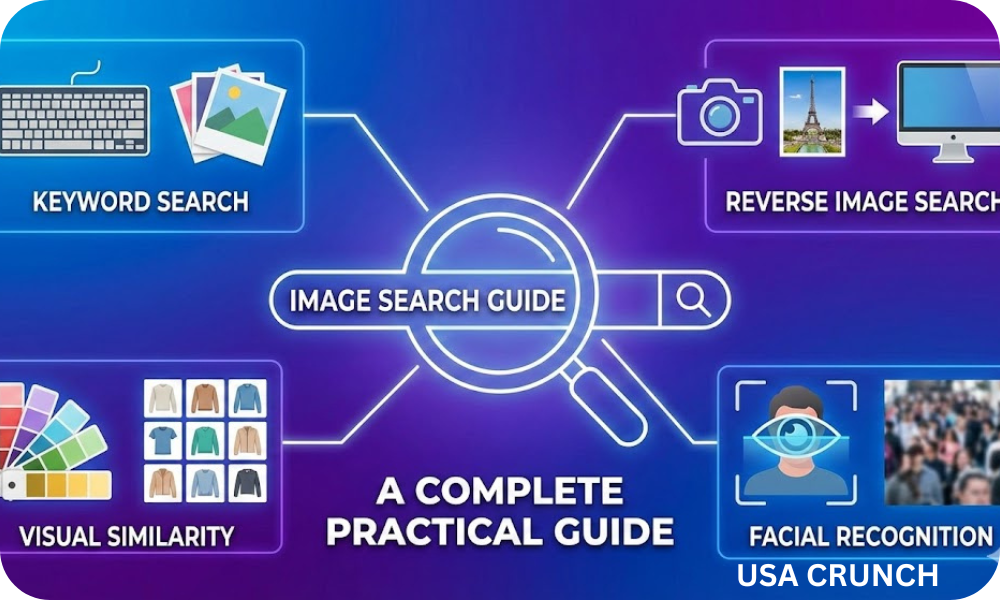
Image search techniques constitute a fundamental aspect of information retrieval in the digital age. With the proliferation of visual content across the internet and within proprietary systems, the ability to locate, analyze, and interpret images effectively has become a critical skill for researchers, professionals, and casual users alike. This article delineates the core principles, methods, and best practices associated with modern image search technologies. Presented in a formal, structured, and educational format, the content elucidates key concepts with precision and clarity, providing a reliable reference for both novices and experienced practitioners.


Understanding Image Search: Definitions and Scope

Image search refers to the process of locating relevant visual content based on a user’s query or input. Unlike text-based search—which relies primarily on keyword matching image search techniques operates along multiple dimensions, including visual similarity, metadata correlation, semantic interpretation, and contextual relevance.

Image search can be broadly categorized into two distinct paradigms:

  1. Text-based Image Search: Searches for images using textual queries derived from keywords, phrases, or descriptive language.

  2. Content-based Image Retrieval (CBIR): Searches for images based on visual content, such as color, texture, shape, or objects, often using a reference image as input.

These paradigms are not mutually exclusive and often operate in hybrid configurations within modern search systems.


Core Components of Image Search Systems

Image search systems typically consist of several interconnected components. Each component serves a distinct functional role and contributes to the overall effectiveness of retrieval.

1. Image Indexing

Image indexing involves the systematic organization of visual data in a searchable format. Indexing techniques may include:

  • Feature Extraction: Identification of distinguishing visual characteristics such as edges, color histograms, and texture patterns.

  • Metadata Tagging: Association of descriptive text, tags, and annotations with image data.

  • Semantic Labeling: Application of machine-generated labels that describe the content of an image in natural language.

Effective indexing ensures that the search algorithm can rapidly access and compare images based on relevant attributes.

2. Query Interpretation and Normalization

Query interpretation transforms user input into a form suitable for matching against indexed data. This can involve:

  • Text Tokenization: Breaking down textual queries into constituent keywords.

  • Natural Language Processing (NLP): Parsing and interpreting user intent.

  • Visual Query Encoding: Converting an input image into a numerical representation for comparison.

Normalization ensures that variations in spelling, synonyms, and contextual nuances do not impede the search process.

3. Matching and Ranking

This phase determines which images in the index are most relevant to the query. Matching mechanisms may include:

  • Similarity Metrics: Algorithms that compute the distance between image feature vectors.

  • Relevance Scoring: Weighted assessment of matches based on query context and user intent.

  • Machine Learning Models: Use of deep learning architectures, such as convolutional neural networks (CNNs), to enhance semantic understanding.

Ranking orders the results according to relevance, facilitating the retrieval of the most pertinent images.


Primary Image Search Techniques

Text-Based Searching

Text-based image search remains the most widely used approach due to its simplicity and accessibility. Users provide keywords or descriptive phrases, and the system identifies images whose associated metadata best aligns with the query.

Key considerations in text-based search include:

  • Precision of query terms

  • Use of advanced search operators (e.g., Boolean modifiers)

  • Handling of synonyms and language variations

Reverse Image Search

Reverse image search enables users to submit an existing image as the query input. The system then identifies visually similar or related images within its database.

Reverse image search is particularly useful for:

  • Identifying the original source of an image

  • Locating higher resolution versions

  • Detecting reuse or duplication across platforms

Content-Based Image Retrieval (CBIR)

CBIR leverages computational analysis of image content rather than textual descriptors. Techniques include:

  • Color Feature Matching: Comparison of color distributions within images.

  • Texture Analysis: Evaluation of surface patterns and repetitive structures.

  • Shape and Object Recognition: Detection of specific visual elements through feature detectors and descriptors such as SIFT, SURF, or ORB.

CBIR excels in scenarios where metadata is sparse or unreliable.

Semantic Image Search

Semantic search extends beyond surface attributes to interpret the meaning of visual content. Using advanced deep learning models, semantic search interprets higher-level concepts within images such as actions, scenes, and object relationships.

This approach is essential when users seek images that match conceptual descriptions rather than simple keywords.


Best Practices for Conducting Effective Image Searches

1. Define Clear Objectives

Clarify what you are seeking before constructing the search query. Precise intent leads to more accurate outcomes.

2. Use Descriptive and Specific Language

In text-based searches, avoid generic terms. Include specific attributes such as color, object type, setting, or context.

3. Combine Modalities Where Possible

Hybrid techniques that integrate text queries with content analysis often yield superior results.

4. Understand System Limitations

Each search system varies in capability. Familiarize yourself with the strengths and constraints of the platform you are using.

5. Validate and Refine

Iteratively evaluate results and refine queries to improve relevance and precision.


Applications of Image Search Techniques

Image search methodologies underpin a variety of real-world applications, including but not limited to:

  • Digital Asset Management: Efficient organization and retrieval of media libraries in enterprises.

  • E-Commerce: Product discovery through visual search interfaces.

  • Intellectual Property Enforcement: Tracking unauthorized use of proprietary images.

  • Academic Research: Sourcing and referencing visual materials for scholarly work.

  • Forensic Analysis: Investigating image origins and alterations in legal contexts.

Each application imposes unique requirements on image search techniques, emphasizing accuracy, speed, and semantic understanding.


Frequently Asked Questions

What differentiates reverse image search from traditional text-based search?

Reverse image search uses a visual input to retrieve images with similar visual characteristics, while text-based search matches user-provided keywords with metadata associated with images. Reverse image search does not depend on textual descriptors and excels when accurate metadata is unavailable.

How do image search engines interpret visual queries?

Modern image search engines convert visual inputs into numerical feature representations—often using deep learning models—that encode visual attributes such as shape, texture, and object presence. These representations are then compared with indexed images to identify similar items.

Can image search identify objects within images?

Yes. Advanced image search systems incorporate object detection and recognition models that can identify specific elements within an image. This enables retrieval based on conceptual content rather than superficial attributes.

Is image search effective for copyrighted content identification?

Image search can assist in identifying occurrences of copyrighted material across the internet. Reverse image search and digital fingerprinting techniques can be used to locate instances of reuse or duplication.

What challenges exist in image search accuracy?

Challenges include variability in image quality, lack of descriptive metadata, semantic ambiguity, and the complexity of interpreting visual context. Advanced machine learning approaches mitigate some of these issues but do not eliminate them entirely.

How do hybrid search systems enhance results?

Hybrid search systems combine text and visual analysis, leveraging the strengths of both to enhance relevance. Textual descriptors help narrow semantic intent, while visual features ensure precise visual matching.


Conclusion:

Image search techniques encompass a spectrum of methodologies tailored to locate and interpret visual information with precision and efficiency. Mastery of these techniques requires a foundational understanding of indexing, query processing, feature matching, and semantic interpretation. Whether for professional research, digital asset management, or forensic investigation, the judicious use of image search tools enhances productivity and fosters deeper engagement with visual content.

By adhering to structured search practices, defining clear objectives, and leveraging advanced technologies, users can navigate the vast landscape of visual data with confidence and accuracy.

Image Search Techniques — A Comprehensive and Structured Guide Read More »

Video Conference Tips: A Comprehensive Guide for Professional and Effective Virtual Meetings

Video conferencing Tips has become a core component of modern professional communication. Organizations rely on virtual meetings for collaboration, decision-making, training, and client engagement. While video conferencing technology is widely accessible, effective usage requires more than simply joining a call. Professional results depend on technical preparation, environmental control, communication discipline, and adherence to virtual meeting etiquette. This article provides a structured and authoritative guide to video conference best practices, ensuring clarity, efficiency, and professionalism in every virtual interaction.

Preparing the Technical Environment

Successful video conferences tips begin with proper technical preparation. Participants should verify their internet connection well in advance of the meeting. A stable, high-speed connection reduces latency, prevents audio distortion, and minimizes unexpected disconnections. Wired connections are generally more reliable than wireless networks and should be used whenever possible.

Audio and video equipment must be tested prior to the session. Microphones should be configured to capture clear speech without background noise, and speakers or headsets should be adjusted to avoid echo or feedback. Cameras must be positioned at eye level to create a natural line of sight, and video resolution settings should be selected based on available bandwidth to maintain consistent image quality.

Software readiness is equally important. The video conferencing platform should be updated to the latest version to ensure compatibility, security, and access to all features. Participants should familiarize themselves with essential controls such as mute, screen sharing, chat functions, and recording permissions before the meeting begins.

Optimizing the Physical Environment

The physical environment directly influences the professionalism and clarity of a video conference. Participants should select a quiet location where interruptions can be minimized. Background noise from conversations, devices, or outdoor activity can significantly reduce communication quality.

Lighting must be positioned in front of the participant rather than behind them. Proper lighting ensures facial expressions are visible and prevents shadows or silhouettes. Neutral and uncluttered backgrounds are recommended, as they reduce visual distractions and maintain a professional appearance. When virtual backgrounds are used, they should be static, high-quality, and appropriate for the meeting context.

Camera framing should include the participant’s head and upper torso, maintaining a balanced composition. This framing supports nonverbal communication and creates a more engaging visual presence.

Professional Appearance and Conduct

Video conferencing requires the same level of professionalism as in-person meetings. Attire should align with organizational standards and meeting objectives. Solid colors and minimal patterns are preferred, as they transmit more clearly on camera.

Participants should maintain proper posture and remain attentive throughout the meeting. Eye contact can be simulated by occasionally looking directly at the camera rather than the screen. Microphones should remain muted when not speaking to avoid unintended disruptions, and speaking turns should be respected to ensure orderly communication.

Punctuality is critical in virtual settings. Joining the meeting a few minutes early allows time to resolve technical issues and demonstrates respect for other participants’ schedules.

Effective Communication Strategies

Clear and concise communication is essential in video conferences, where visual and audio delays can affect interaction. Speakers should articulate deliberately, maintain a moderate pace, and pause when transitioning between key points. This approach allows listeners time to process information and reduces misunderstandings.

Visual aids such as presentations or shared documents should be structured and legible. Text should be minimal, and key data should be emphasized verbally. When screen sharing, only relevant applications or windows should be displayed to maintain focus and confidentiality.

Active listening remains a critical skill in virtual meetings. Participants should acknowledge contributions through verbal confirmation or nonverbal cues and avoid multitasking, which can reduce engagement and comprehension.

Managing Meetings and Participation

Meeting leaders play a crucial role in maintaining structure and efficiency. A clear agenda should be distributed in advance, outlining objectives, discussion topics, and time allocations. During the meeting, the facilitator should guide discussions, manage speaking order, and ensure all participants have opportunities to contribute.

Time management is particularly important in video conferences, as virtual fatigue can reduce attention spans. Meetings should begin and end on schedule, with clearly defined outcomes and next steps summarized before closing.

Security and Privacy Considerations

Video conferencing platforms must be used with attention to security and data protection. Meetings should be protected with passwords or access controls, and sensitive discussions should only occur on approved platforms. Screen sharing permissions should be limited to designated participants to prevent accidental disclosure of confidential information.

Recording meetings should only be done with explicit consent from all participants and in accordance with organizational policies and legal requirements. Recorded content must be stored securely and accessed only by authorized individuals.

Frequently Asked Questions About Video Conference Tips

How can I improve audio quality during a video conference?

Audio quality can be improved by using a dedicated headset or external microphone, ensuring the room is quiet, and positioning the microphone close to the speaker. Disabling unnecessary audio enhancements and selecting the correct input device in the conferencing software also contributes to clearer sound.

What is the ideal camera position for professional video conferencing?

The camera should be placed at eye level and directly in front of the participant. This position creates a natural perspective and simulates face-to-face interaction, improving engagement and professionalism.

How should I handle interruptions during a video meeting?

Interruptions should be managed calmly and efficiently. If the interruption is external, the participant should mute their microphone and address the issue briefly. If conversational overlap occurs, the meeting facilitator should guide the discussion back to order.

Are virtual backgrounds appropriate for formal meetings?

Virtual backgrounds are acceptable when they are professional, static, and high-quality. They should not distract from the speaker or interfere with visual clarity. Whenever possible, a real, neutral background is preferred.

How long should an effective video conference last?

An effective video conference should be as concise as possible while meeting its objectives. Most professional meetings are most productive when limited to 30 to 60 minutes, with longer sessions incorporating structured breaks to maintain attention and engagement.

Conclusion:

Mastering video conferencing requires a deliberate approach that integrates technical preparation, environmental awareness, professional conduct, and effective communication strategies. By applying these structured video conference tips, individuals and organizations can enhance clarity, efficiency, and professionalism in virtual meetings. Consistent adherence to these best practices ensures that video conferencing remains a reliable and productive communication tool in an increasingly digital professional landscape.

Video Conference Tips: A Comprehensive Guide for Professional and Effective Virtual Meetings Read More »

MyRutgers: Comprehensive Guide

MyRutgers serves as the centralized digital portal for students, faculty, and staff at Rutgers University, providing secure access to academic, administrative, and personal resources. The platform consolidates multiple university services into a single interface, facilitating course registration, financial management, personal information updates, and access to institutional announcements. This article provides a detailed overview of myRutgers, including its primary features, access protocols, navigation procedures, and answers to frequently asked questions.

Accessing myRutgers

Access to myRutgers requires authentication via the Rutgers NetID, which ensures secure and personalized entry to the portal. Users must navigate to my.rutgers.edu and log in using their official NetID credentials. First-time users are required to activate their NetID account through the Rutgers NetID management system. Once authenticated, users can access multiple integrated services, including Canvas, student billing, financial aid, registration tools, and institutional email.

Optimal access is achieved through modern web browsers such as Google Chrome, Mozilla Firefox, or Safari. The portal is compatible with both desktop and mobile devices, ensuring flexibility for users accessing information on the go.

Key Features of myRutgers

myRutgers offers a comprehensive range of functionalities designed to support academic, administrative, and personal needs. These functionalities include:

Academic Services: Students can register for courses, view class schedules, track academic progress, and access unofficial transcripts. Faculty members can manage class rosters, submit grades, and communicate with students.

Financial Management: The portal provides access to student billing information, payment options, financial aid status, and tax documents. Notifications of pending bills and deadlines are issued to ensure timely financial management.

Personal Information Management: Users can update contact information, emergency contacts, and demographic data. The portal ensures that institutional records remain accurate and up to date.

Communication and Notifications: myRutgers integrates email services, institutional announcements, and alerts. Users receive timely notifications regarding course registration, billing deadlines, campus events, and administrative updates.

Resource Access: Through the portal, users can access the Rutgers library system, IT support services, and external applications such as Canvas, Zoom, and Sakai.

Security and Privacy: myRutgers enforces multi-factor authentication and secure login protocols, safeguarding sensitive academic and personal information.

Navigation and User Interface

The myRutgers interface is designed to provide intuitive access to integrated services. Key navigational elements include:

Dashboard: The landing page displays critical information such as upcoming deadlines, recent announcements, and pending tasks.

Main Navigation Menu: Organized into sections for Academics, Finances, Personal Information, and Resources, the menu provides structured access to all services.

Search Functionality: Users can quickly locate specific services, forms, or documents using the portal’s integrated search feature.

Notifications and Alerts: The portal includes a notification system for real-time updates related to course registration, billing, and institutional communications.

Quick Links: Frequently accessed tools, such as Canvas, email, and course schedules, are conveniently accessible from the dashboard for efficiency.

Troubleshooting and Support

Rutgers University provides comprehensive support for myRutgers users through multiple channels:

Technical Support: The Office of Information Technology (OIT) offers assistance for login issues, password recovery, browser compatibility, and system errors.

Help Guides and Tutorials: Step-by-step guides, video tutorials, and FAQs are available through the Rutgers help website, providing detailed instructions for navigating the portal.

Administrative Support: Academic and administrative offices can provide guidance on registration, financial aid, and personal information updates.

Peer and Faculty Assistance: Students may seek support from instructors or peers who are familiar with myRutgers functionalities.

Frequently Asked Questions

How do I log into myRutgers?
Users must navigate to my.rutgers.edu and enter their NetID and password. First-time users must activate their NetID account before accessing the portal.

Can I access myRutgers on mobile devices?
Yes. The portal is mobile-compatible, enabling users to access academic, financial, and personal information from smartphones and tablets.

What should I do if I forget my NetID or password?
Users should visit the Rutgers NetID management page to recover or reset their credentials. Persistent issues may be resolved by contacting OIT support.

How do I register for courses through myRutgers?
Course registration is available under the Academics section of the portal. Students can search for courses, add or drop classes, and view schedules. Confirmation of registration changes is provided upon successful submission.

How can I view and pay my student bill?
Billing information is accessible under the Finances section. Users can view detailed account statements, make payments, and set up payment plans.

Who can I contact for technical or administrative assistance?
Technical assistance is provided by Rutgers OIT, available via phone, email, and live chat. Administrative inquiries related to registration, financial aid, or student records should be directed to the relevant university office.

Are myRutgers services secure?
Yes. myRutgers employs multi-factor authentication, encrypted connections, and secure login protocols to protect sensitive information. Users are advised to log out after each session and avoid using shared devices for access.

Conclusion:

myRutgers functions as an essential digital hub, centralizing access to Rutgers University’s academic, financial, and administrative resources. By providing structured navigation, integrated tools, and secure access, the portal supports the efficient management of educational and institutional tasks. Familiarity with its features, navigation procedures, and support channels enables students, faculty, and staff to leverage myRutgers effectively for academic success, administrative efficiency, and personal management.

MyRutgers: Comprehensive Guide Read More »

Rutgers Canvas: Comprehensive Guide

Rutgers Canvas serves as the primary learning management system (LMS) for Rutgers University, enabling students, faculty, and staff to access course materials, submit assignments, and communicate within a structured digital environment. As a centralized platform,Rutgers Canvas integrates multiple academic and administrative functions, ensuring streamlined course management, enhanced communication, and efficient access to educational resources. This article provides a detailed overview of Rutgers Canvas, including its key features, access procedures, navigation techniques, and answers to frequently asked questions.

Accessing Rutgers Canvas

Access to Rutgers Canvas is provided through the Rutgers NetID system, which authenticates users and ensures secure access to institutional resources. Users must navigate to the Rutgers Canvas portal at canvas.rutgers.edu and log in using their official NetID and password. Once authenticated, students gain access to enrolled courses, while faculty members can manage course content, assignments, and grading.

For optimal functionality, it is recommended to use updated web browsers such as Google Chrome, Mozilla Firefox, or Safari. Canvas is compatible with both desktop and mobile platforms, and Rutgers provides a mobile application that allows users to view course materials, participate in discussions, and receive notifications in real time.

Key Features of Rutgers Canvas

Rutgers Canvas offers a suite of features designed to support teaching, learning, and administrative functions. These features include:

Course Content Management: Faculty members can upload syllabi, lecture notes, multimedia resources, and supplemental materials. Students can easily navigate these materials by module, topic, or week.

Assignment Submission and Feedback: Canvas allows for digital submission of assignments, quizzes, and exams. Faculty can provide detailed feedback, assign grades, and track submission history.

Communication Tools: Canvas provides messaging systems, discussion boards, and announcement functionalities, enabling instructors and students to communicate efficiently.

Gradebook Integration: The Canvas Gradebook allows faculty to input grades and monitor student performance. Students can access real-time grade updates and track their academic progress.

Collaboration Features: Group projects and peer review activities are supported through Canvas’s collaborative tools, including shared documents and discussion spaces.

Integration with External Tools: Rutgers Canvas integrates with various third-party applications, such as Turnitin for plagiarism detection, Zoom for video conferencing, and library databases for academic research.

Navigation and User Interface

The Rutgers Canvas interface is designed for intuitive navigation. Upon login, users encounter the Dashboard, which displays enrolled courses and recent activity. Key navigational elements include:

Global Navigation Menu: Provides access to account settings, calendar, inbox, and other tools.

Course Navigation Menu: Each course contains a menu with sections such as Home, Modules, Assignments, Discussions, Grades, and Announcements.

Modules: Modules serve as structured containers for course content, allowing students to follow a sequential learning path.

Notifications and Alerts: Users receive notifications for assignment deadlines, course announcements, and messages, which can be customized according to personal preferences.

Troubleshooting and Support

Rutgers University provides dedicated support for Canvas users through multiple channels:

Technical Support: The Office of Information Technology (OIT) offers troubleshooting assistance for login issues, browser compatibility, and system errors.

Help Guides and Tutorials: Comprehensive step-by-step guides, video tutorials, and documentation are available on the Rutgers Canvas support website.

Faculty and Peer Support: Students can seek guidance from course instructors or peers who are familiar with Canvas functionalities.

Frequently Asked Questions

How do I log into Rutgers Canvas?
Users must visit canvas.rutgers.edu and enter their NetID and password. For first-time users, activation of the NetID account is required.

Can I access Rutgers Canvas on my mobile device?
Yes. The Canvas Student and Canvas Teacher mobile applications are available for iOS and Android devices. Users can view course content, submit assignments, participate in discussions, and receive notifications.

What should I do if I forget my NetID or password?
Password recovery and NetID assistance are available through the Rutgers NetID management portal. If issues persist, contacting OIT support is recommended.

How do I submit assignments on Canvas?
Assignments are submitted through the “Assignments” tab within each course. Users can upload files, enter text directly, or submit through integrated tools such as Google Drive. Submission confirmation is provided upon successful upload.

How can I track my grades in Canvas?
Grades are accessible via the “Grades” section of each course. The Canvas Gradebook displays scores, assignment status, and cumulative course grades.

Who can I contact for technical assistance?
Canvas support is provided by Rutgers OIT via phone, email, and live chat. In addition, help resources are available directly within Canvas under the “Help” link in the global navigation menu.

Are there accessibility features available in Canvas?
Yes. Canvas incorporates accessibility standards, including screen reader compatibility, keyboard navigation, and captioned media. Users can adjust settings according to individual needs.

Conclusion:

Rutgers Canvas represents a comprehensive, secure, and user-friendly learning management system that facilitates academic engagement and administrative efficiency. By providing structured course management, clear communication tools, and integrated resources, Canvas supports the academic success of students and the instructional objectives of faculty. Understanding its features, navigation methods, and support resources ensures that all users can effectively leverage the platform for educational excellence.

Rutgers Canvas: Comprehensive Guide Read More »

Bowdoin Dining Menu: A Detailed Guide to Structure, Access, and Daily Use

The Bowdoin Dining Menu is a central informational resource that outlines daily and weekly food offerings across Bowdoin College dining facilities. It is designed to support informed dining decisions for students, faculty, staff, and visitors by presenting accurate, timely, and clearly organized meal information. This article provides a comprehensive and structured explanation of the Bowdoin Dining Menu including its purpose, organization, nutritional framework, access methods, and practical use. A Frequently Asked Questions section is included at the end, with questions presented as paragraph-style headings for clarity and continuity.

Purpose and Institutional Significance of the Bowdoin Dining Menu

The Bowdoin dining menu exists to communicate planned meal offerings in alignment with the college’s dining services objectives. Its primary purpose is to ensure transparency, predictability, and accessibility in campus dining operations. By publishing menus in advance, Bowdoin College enables diners to plan meals according to dietary needs, scheduling constraints, and personal preferences.

From an institutional perspective, the dining menu also reflects Bowdoin’s commitments to nutrition, sustainability, and inclusive dining. Menu planning is closely tied to operational standards, procurement practices, and student wellness initiatives.

Structure and Organization of the Dining Menu

The Bowdoin dining menu is typically organized by dining location and meal period. Each dining hall or food service venue maintains its own menu schedule, which is divided into breakfast, lunch, dinner, and, where applicable, late-night service. This structure ensures that users can quickly identify what is being served at a specific location and time.

Within each meal period, offerings are categorized by station or culinary theme, such as grill, entrée, vegetarian, international, or allergen-aware stations. Item names are listed with consistent formatting to promote readability and ease of comparison across days and locations.

Menu Planning and Culinary Framework

Menu planning at Bowdoin College follows a structured culinary framework designed to balance variety, nutrition, and operational feasibility. Menus are developed by professional dining services staff, often weeks in advance, to ensure consistency and efficient sourcing.

This framework emphasizes seasonal ingredients, menu rotation, and balanced meal composition. Entrées are typically paired with complementary sides, while alternative options are provided to accommodate diverse dietary patterns. The menu framework also allows for flexibility to incorporate special events, cultural celebrations, and student feedback.

Nutritional Information and Dietary Considerations

The Bowdoin dining menu commonly includes indicators for dietary preferences and restrictions. These indicators may identify vegetarian, vegan, gluten-free, or allergen-conscious options. Nutritional transparency is a key component of the menu system, supporting informed decision-making for individuals with medical, ethical, or lifestyle-based dietary needs.

Where available, additional nutritional data such as calorie counts or ingredient lists may be accessed through associated dining platforms. This structured approach reinforces Bowdoin’s commitment to student health and inclusive dining access.

Accessing the Bowdoin Dining Menu

The Bowdoin dining menu is generally accessible through official Bowdoin College digital platforms. These platforms are designed to provide real-time or regularly updated menu information. Users can typically view menus by selecting a dining location and date, ensuring accurate alignment with daily service.

Access is usually unrestricted, allowing both campus members and external visitors to review dining options. This openness supports transparency and enhances the overall dining experience.

Step-by-Step Guide to Using the Dining Menu Effectively

To use the Bowdoin dining menu effectively, users should first identify the dining location they intend to visit. Once the location is selected, the next step is to review the menu for the specific meal period. This allows diners to confirm availability and timing.

After reviewing item listings, users should note any dietary labels or indicators relevant to their needs. For individuals managing allergies or strict dietary requirements, verifying ingredients or consulting dining staff is recommended. This step-by-step approach ensures efficient planning and reduces uncertainty during peak dining hours.

Menu Updates and Operational Adjustments

Although menus are planned in advance, adjustments may occur due to supply availability, operational changes, or special events. The Bowdoin dining menu is updated as needed to reflect these changes. Users are encouraged to consult the most current version of the menu close to their intended dining time.

This dynamic update process allows dining services to maintain accuracy while adapting to real-world operational conditions.

Role of the Dining Menu in Campus Life

The dining menu plays a broader role in campus life beyond meal selection. It supports social planning, academic scheduling, and student engagement. Meals often serve as focal points for community interaction, and the ability to anticipate offerings contributes to a more organized and satisfying campus experience.

Additionally, themed menus and special dining events reflected in the menu help reinforce cultural awareness and institutional traditions.

Frequently Asked Questions About the Bowdoin Dining Menu

What is the primary purpose of the Bowdoin dining menu?

The primary purpose of the Bowdoin dining menu is to provide clear, accurate, and timely information about food offerings across campus dining locations. It enables diners to plan meals effectively while supporting transparency and operational efficiency.

How often is the Bowdoin dining menu updated?

The dining menu is typically updated on a daily or weekly basis, depending on the dining location and service model. Updates may also occur on short notice to reflect operational changes or ingredient availability.

Does the dining menu include information for special diets?

Yes, the Bowdoin dining menu commonly includes indicators for dietary preferences and restrictions, such as vegetarian, vegan, and allergen-aware options. This information supports informed decision-making for diners with specific dietary needs.

Can the dining menu change after it is published?

While menus are planned in advance, changes may occur due to supply issues, staffing considerations, or special events. Users are advised to review the most current menu information before dining.

Is the Bowdoin dining menu available to the public?

In most cases, the Bowdoin dining menu is publicly accessible through official college platforms. This allows visitors and prospective students to view dining options and understand campus dining operations.

How should students use the dining menu for meal planning?

Students should use the dining menu to identify locations, meal periods, and offerings that align with their schedules and dietary preferences. Reviewing the menu in advance helps reduce wait times and improves overall dining efficiency.

Does the dining menu reflect Bowdoin’s sustainability goals?

Yes, the dining menu often reflects Bowdoin’s sustainability and wellness initiatives through the inclusion of seasonal ingredients, plant-forward options, and responsibly sourced foods.

Conclusion:

The Bowdoin dining menu is an essential informational resource that supports daily campus life through clarity, organization, and accuracy. By presenting structured meal information, dietary indicators, and timely updates, it enables informed dining decisions and reinforces Bowdoin College’s commitment to quality, inclusivity, and transparency in campus dining services.

Bowdoin Dining Menu: A Detailed Guide to Structure, Access, and Daily Use Read More »

Taiwan Rice Dining Hall – Taipei Restaurants

Taiwan Rice Dining Hall represents a category of Taipei restaurants dedicated to the cultural, agricultural, and culinary significance of rice in Taiwanese cuisine. Rather than positioning rice as a secondary accompaniment, these dining halls place it at the center of the dining experience, highlighting its varieties, preparation methods, and regional expressions. This article provides a comprehensive and structured overview of the concept, culinary philosophy, menu design, dining procedures, and cultural relevance of a Taiwan rice dining hall within the broader Taipei restaurant landscape.

Cultural and Culinary Context

The Role of Rice in Taiwanese Cuisine

Rice has been a foundational staple in Taiwan for centuries, shaped by the island’s geography, climate, and agricultural practices. Short-grain and medium-grain rice varieties are most commonly cultivated, prized for their aroma, texture, and adaptability to different cooking techniques.

In Taiwanese dining culture, rice fulfills several essential roles:
It serves as a nutritional foundation, providing sustained energy.
It functions as a neutral base that balances richly seasoned dishes.
It acts as a medium through which regional and seasonal ingredients are expressed.

Taiwan Rice Dining Hall concepts are designed to elevate these roles by focusing attention on rice quality, sourcing, and preparation.

Concept and Dining Philosophy

Core Principles of a Taiwan Rice Dining Hall

The operational philosophy of a Taiwan rice–centered dining hall is built on three interrelated principles.

Ingredient integrity emphasizes traceable sourcing of rice, often highlighting specific farms, harvest seasons, or milling techniques.

Culinary balance ensures that side dishes, proteins, and sauces complement rather than overpower the rice.

Educational dining introduces guests to varietal differences, cooking methods, and traditional serving customs.

Together, these principles establish a dining environment that is both gastronomic and instructional.

Menu Structure and Composition

Rice Varieties and Preparation Methods

A defining feature of a Taiwan Rice Dining Hall is the deliberate selection of rice types. Menus commonly distinguish between varieties based on grain length, aroma, and texture. Preparation methods may include:

Steamed rice prepared with precise water-to-grain ratios.
Clay-pot rice cooked to develop a crisp bottom layer.
Seasoned rice infused with broth, herbs, or rendered fats.
Mixed-grain rice combining white rice with millet, black rice, or barley.

Each method is designed to highlight specific sensory characteristics while maintaining consistency and quality.

Accompanying Dishes

While rice remains the focal point, accompanying dishes are carefully curated. These may include braised meats, seasonal vegetables, fermented elements, and light soups. Portions are typically balanced to ensure that rice remains the dominant component of the meal.

Service Model and Dining Experience

Ordering and Meal Progression

Dining halls of this type often follow a structured service flow. Guests begin by selecting a rice variety and preparation style. Secondary choices involve protein and vegetable accompaniments, followed by optional condiments.

Meals are served in a deliberate sequence to preserve temperature and texture. Staff members may provide brief explanations of the selected rice and suggested pairing strategies, reinforcing the educational aspect of the experience.

Atmosphere and Interior Design

Interior design commonly reflects simplicity and restraint. Natural materials such as wood and stone are favored to evoke agricultural origins. Lighting is designed to be soft and neutral, allowing visual focus on the food itself.

Nutritional and Dietary Considerations

Balanced Meal Composition

Rice-based dining halls emphasize nutritional balance through portion control and ingredient diversity. Meals are typically structured to include carbohydrates, protein, fiber, and micronutrients in measured proportions.

Accommodation of Dietary Preferences

Many establishments can accommodate dietary requirements, including vegetarian and reduced-sodium preferences, by adjusting accompaniments while maintaining the integrity of the rice component.

Position Within Taipei’s Restaurant Landscape

Distinction from Conventional Restaurants

Unlike general Taiwanese eateries, a Taiwan Rice Dining Hall narrows its focus to a single staple ingredient. This specialization differentiates it from night market stalls, banquet-style restaurants, and international dining venues found throughout Taipei.

Appeal to Local and International Diners

Local diners are drawn by familiarity and quality assurance, while international visitors value the clear narrative and educational framing. As a result, rice dining halls function as cultural ambassadors within the city’s diverse food scene.

Frequently Asked Questions

What distinguishes a Taiwan Rice Dining Hall from a standard Taiwanese restaurant?

A Taiwan Rice Dining Hall prioritizes rice as the central element of the meal rather than a supporting side. Menu design, service structure, and culinary techniques are all oriented toward showcasing rice varieties and preparation methods.

Is prior knowledge of Taiwanese cuisine required to dine at a rice-focused dining hall?

No prior knowledge is required. The dining format is intentionally educational, with staff guidance and clearly structured menus designed to support first-time diners.

Are rice dining halls suitable for formal or business meals?

Yes, the structured service, controlled pacing, and calm atmosphere make these establishments appropriate for professional or formal dining occasions.

How do these restaurants ensure rice quality?

Quality is ensured through careful sourcing, standardized storage conditions, and precise cooking protocols. Some dining halls provide information on rice origin and harvest details to reinforce transparency.

Can international visitors easily navigate the menu?

Most Taiwan Rice Dining Halls in Taipei offer multilingual menus or visual guides. The simplicity of the menu structure further supports ease of ordering for non-local guests.

Conclusion:

Taiwan Rice Dining Hall concepts represent a refined and educational approach to Taiwanese cuisine within Taipei’s dynamic restaurant environment. By emphasizing rice as both a cultural artifact and a culinary centerpiece, these establishments offer diners a clear, structured, and authoritative introduction to one of Taiwan’s most essential food traditions. Through careful organization, precise preparation, and intentional service design, they contribute meaningfully to the preservation and appreciation of Taiwanese culinary heritage.

Taiwan Rice Dining Hall – Taipei Restaurants Read More »

Hitaar in Modern Music: How Tradition Meets Innovation

The evolution of music is defined by a continuous dialogue between tradition and innovation. Hitaar, styles, and techniques rooted in historical practices are frequently reinterpreted through contemporary technology and creative experimentation. In this context, Hitaar represents a compelling example of how traditional musical concepts can be preserved, adapted, and transformed within modern musical frameworks.

This article provides a structured and authoritative examination of Hitaar in modern music. It explains its conceptual origins, outlines its role in contemporary compositions, and demonstrates how tradition and innovation coexist within this evolving musical paradigm.

Defining Hitaar in Musical Context

The term Hitaar is commonly used to describe a traditional musical framework or instrument-based practice associated with cultural heritage and historical sound production methods. While its specific origins may vary by region and scholarly interpretation, Hitaar is typically characterized by distinctive tonal structures, rhythmic patterns, and performance techniques rooted in traditional music systems.

In academic musicology, such traditional systems are considered cultural sound architectures, meaning they provide structured frameworks that guide melody, rhythm, and timbre. Hitaar functions as one such framework, offering a foundation upon which both traditional and modern compositions can be constructed.

Historical Foundations of Hitaar

Hitaar emerged within a traditional cultural environment where music served ceremonial, social, and narrative purposes. Its early forms were transmitted orally through generations of performers, rather than documented through formal notation systems.

Historically, Hitaar was defined by three core elements: tonal modes that governed melodic progression, rhythmic cycles that structured temporal flow, and performance techniques that emphasized expressive nuance and improvisation. These characteristics allowed Hitaar to function as both a musical system and a cultural identity marker.

Transition of Hitaar into Modern Music

The integration of Hitaar into modern music occurred through a gradual process of adaptation. As recording technology, digital instruments, and global music distribution expanded, traditional sound systems began to intersect with contemporary genres such as electronic music, jazz, fusion, and experimental composition.

Modern composers and producers reinterpret Hitaar by sampling traditional instruments, translating tonal modes into digital synthesizers, and embedding rhythmic patterns into sequenced compositions. This process preserves the structural identity of Hitaar while enabling compatibility with modern production environments.

Technological Innovation and Hitaar Adaptation

Technology plays a critical role in the modernization of Hitaar. Digital audio workstations, software synthesizers, and algorithmic composition tools allow musicians to replicate traditional tonalities with high precision. Sampling techniques capture the acoustic properties of traditional instruments, enabling their integration into modern arrangements without physical constraints.

Furthermore, artificial intelligence and machine learning tools are increasingly used to analyze traditional Hitaar patterns and generate new compositions that adhere to its structural rules. This represents a convergence of ethnomusicology and computational creativity, redefining how tradition is preserved and expanded.

Cultural Preservation Through Contemporary Practice

The incorporation of Hitaar into modern music serves an important cultural preservation function. By embedding traditional frameworks into contemporary genres, musicians ensure that historical sound systems remain relevant to new audiences. This approach transforms heritage into a living, evolving practice rather than a static historical artifact.

From an educational perspective, modern adaptations of Hitaar also facilitate academic study, allowing students and researchers to analyze traditional systems within digital environments. This enhances accessibility and fosters interdisciplinary research across music theory, cultural studies, and digital humanities.

Creative Implications and Artistic Expression

The fusion of Hitaar with modern musical techniques expands creative possibilities. Composers can juxtapose traditional tonal modes with modern harmonic structures, or combine rhythmic cycles with electronic beats. This hybridization creates new sonic textures while maintaining cultural authenticity.

Such practices exemplify glocalizationin music, a process in which global technological tools are used to express localized cultural identities. Hitaar, in this context, becomes both a symbol of tradition and a platform for innovation.

Challenges in Integrating Tradition and Innovation

Despite its benefits, integrating Hitaar into modern music presents challenges. Authentic representation requires deep understanding of traditional theory and performance practice. Superficial or inaccurate usage can lead to cultural misrepresentation or loss of structural integrity.

Additionally, intellectual property and cultural ownership issues arise when traditional frameworks are commercialized without community engagement. Ethical integration therefore requires collaboration with cultural practitioners, scholars, and community stakeholders.

Frequently Asked Questions

What is Hitaar in modern music?

Hitaar in modern music refers to the application of traditional musical frameworks, tonal systems, or performance techniques within contemporary musical compositions and production environments. It represents the integration of heritage sound structures into modern genres and technologies.

How is Hitaar different from traditional folk music?

Traditional folk music refers to entire musical traditions and repertoires, whereas Hitaar typically refers to a specific structural system or practice within a tradition. In modern contexts, Hitaar often functions as a theoretical or technical framework rather than a fixed repertoire.

Why is Hitaar important in contemporary music production?

Hitaar is important because it preserves cultural identity while enabling innovation. By incorporating traditional frameworks into modern compositions, musicians maintain historical continuity while expanding creative possibilities.

Can Hitaar be recreated using digital tools?

Yes. Digital audio workstations, synthesizers, and sampling technologies can replicate Hitaar tonal structures and performance characteristics. Advanced computational tools can also analyze and generate Hitaar-based compositions.

What are the risks of using Hitaar in modern music?

Risks include cultural misrepresentation, loss of authenticity, and ethical concerns regarding appropriation. Responsible usage requires scholarly understanding, respectful collaboration, and accurate representation of traditional practices.

Conclusion:

Hitaar in modern music exemplifies the dynamic relationship between tradition and innovation. Through technological adaptation, cultural preservation, and creative experimentation, Hitaar continues to evolve beyond its historical origins while maintaining its foundational identity.

This synthesis demonstrates that tradition and modernity are not opposing forces but complementary dimensions of musical evolution. By understanding and applying Hitaar within contemporary frameworks, musicians, scholars, and audiences contribute to the sustainable continuity of cultural sound systems in the global musical landscape.

Hitaar in Modern Music: How Tradition Meets Innovation Read More »

Scroll to Top