
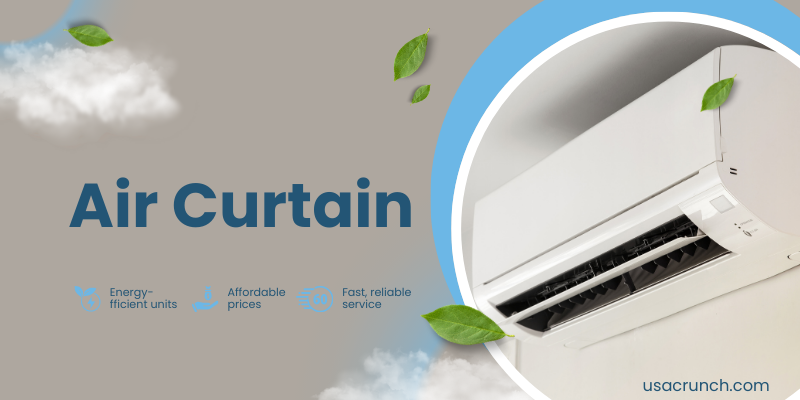
Imagine walking into a store on a chilly winter day and instantly feeling the warmth wrap around you. What if I told you that invisible barrier of comfort is created by an air curtain? These clever devices might not be in the spotlight, but they play a crucial role in maintaining indoor climates while enhancing energy efficiency. Whether you’re looking to keep heated air inside or prevent pesky insects from entering your space, air curtains are versatile solutions for countless environments. Join us as we explore what an air curtain really is, how it works, and why it could be the perfect addition to your business or home.
Definition and History of Air Curtains
An air curtain is a device that creates an invisible air barrier across an opening. This barrier helps separate two different environments, such as the interior of a building and the outdoors. The act of blowing a steady stream of air downwards effectively shields against harmful elements like dust, insects, and cold drafts.
The concept of airflow technology originated in the early 20th century when engineers began exploring it. Initially used in industrial settings, these devices were primarily aimed at improving energy efficiency and comfort levels in large warehouses.
As technology advanced over the decades, air curtains found their way into retail spaces, restaurants, and even residential homes. Today’s models offer sleek designs along with enhanced performance capabilities. They are now recognized not just for their functional benefits but also for contributing to sustainable practices by reducing energy consumption.
How Do Air Curtains Work?
Air curtains operate by creating a barrier of air at doorways or entry points. They use a powerful fan to draw in air from the room and expel it downward across the entrance.
The air stream acts as an invisible shield, preventing external elements like dust, insects, and cold drafts from entering. It’s designed to maintain temperature while allowing easy access for people and goods.
The airflow can be adjusted based on specific requirements. Some models allow you to control speed and direction for optimal performance.
When installed correctly, air curtains create a seamless transition between different environments without compromising comfort or energy efficiency. These devices are particularly effective in high-traffic areas where doors frequently open and close.
Understanding how these devices function can help businesses enhance their indoor climate while promoting sustainability through reduced energy costs.
Benefits of Using an Air Curtain
Air curtains offer a range of advantages for various environments. They create an invisible barrier that helps maintain indoor temperatures. This leads to energy savings, reducing the load on heating and cooling systems.
Another benefit is improved air quality. By preventing dust, insects, and pollutants from entering a space, air curtains contribute to a healthier environment. This is particularly valuable in restaurants or healthcare settings where cleanliness matters.
They also enhance comfort levels for customers and employees alike. A consistent temperature without drafts makes spaces more inviting.
Moreover, air curtains are versatile in their applications. From retail stores to warehouses, they can be installed at any entrance or opening with ease. The sleek design ensures minimal disruption and maximizes functionality.
Installing an air curtain can even lead to lower operational costs over time. It’s an investment that pays off through reduced maintenance needs and increased efficiency.
Different Types of Air Curtains
Air curtains come in various types, catering to different needs and environments. One common type is the standard air curtain, often used in retail spaces. These devices create a powerful barrier of air that helps maintain temperature while allowing easy access.
Another variant is the heated air curtain, ideal for colder climates. It combines air flow with warmth, ensuring comfort as people enter or exit buildings during winter months.
Industrial-grade models are also available for warehouses and manufacturing facilities. These heavy-duty curtains withstand high traffic and harsh conditions while providing energy efficiency.
For specialized applications, you can find sanitary air curtains used in food service areas. They help minimize contamination by creating a protective shield without obstructing movement.
Each type serves its purpose based on environment and usage requirements, making it essential to choose wisely for optimal performance and effectiveness.
Additionally, hotels use these systems at lobby entrances to enhance guest experience while conserving energy costs through effective temperature regulation.
Factors to Consider When Choosing an Air Curtain
The size of the doorway is crucial when choosing an air curtain, so measure both width and height to ensure a proper fit and maximize effectiveness.
Consider the airflow velocity as well. A higher speed can provide better separation between indoor and outdoor environments, but it must align with your specific needs.
Energy efficiency should also be on your radar. Choose models with energy-saving features to reduce long-term operational costs.
Noise levels matter too. Some air curtains operate quietly while others may create noticeable sound during use.
Think about installation requirements. Certain models might need professional installation, while others are user-friendly enough for DIY setups, making them more convenient depending on your situation.
Common Misconceptions about Air Curtains
Many people believe that air curtains are only effective in preventing insects from entering. While they do serve this purpose, their functionality extends far beyond pest control. Air curtains create a barrier against unwanted elements without obstructing visibility or foot traffic.
Another misconception is that air curtains waste energy. In reality, when installed correctly, they can help reduce heating and cooling costs by minimizing temperature exchange between indoor and outdoor environments. This efficiency often offsets the energy used by the unit itself.
Some think that air curtains are too noisy to be practical for commercial spaces. However, advancements in technology have led to quieter models designed specifically for various settings, making them suitable even for restaurants and retail stores.
Many assume air curtains require complex installation procedures. Most units come with straightforward installation guides and can be set up quickly with minimal disruption to daily operations.
Conclusion
Air curtains serve a vital role in modern buildings, offering an effective solution for maintaining indoor comfort while enhancing energy efficiency. Understanding their definition and history can provide insight into how these devices have evolved to meet the needs of various industries.
These innovative units work by creating a barrier of air that separates two environments. This not only keeps conditioned air inside but also prevents unwanted elements like dust, insects, and pollutants from entering your space. The benefits are clear; businesses experience reduced heating and cooling costs while improving hygiene and comfort for customers and staff alike.
With different types available—from heated to unheated models—choosing the right air curtain depends on specific requirements such as building size, traffic levels, and climatic conditions. Their applications extend across numerous sectors including retail stores, restaurants, warehouses, and hospitals.