
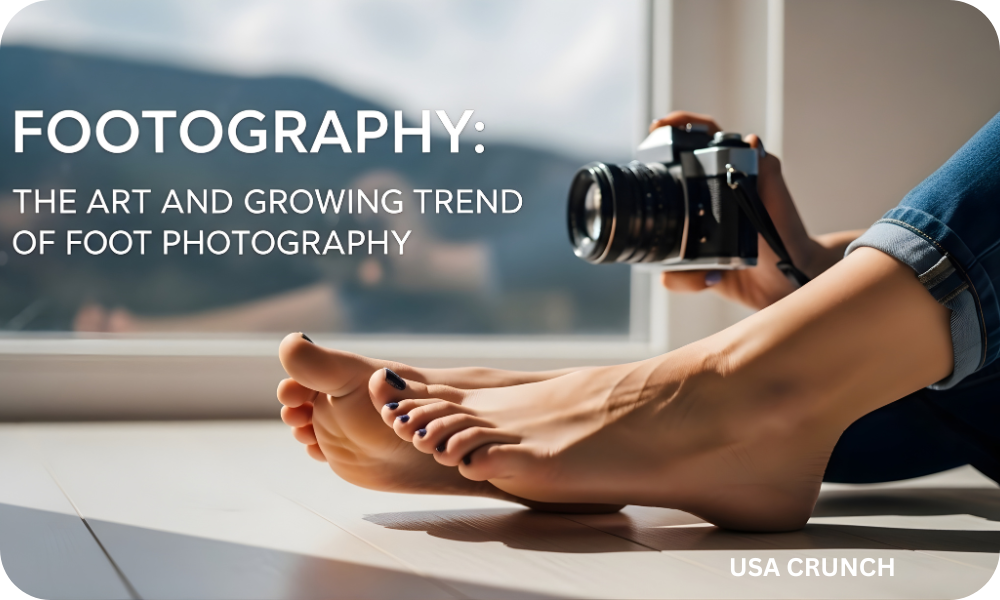
Footography is a growing photography trend. Discover 15 powerful tips, techniques, and creative ideas to master footography and capture stunning, artistic photos.Footography is a creative niche in photography focused on capturing artistic, aesthetic, or storytelling images of feet. At first glance, it may sound unusual. However, this style of photography has quickly gained popularity across social media platforms and creative communities.
In simple terms footography combines elements of fashion photography, lifestyle photography, and storytelling. Photographers use feet as the main subject to express movement, travel, relaxation, fashion, or mood.
For example, imagine a traveler relaxing on a beach while photographing their feet facing the ocean. That simple shot tells a story: relaxation, adventure, and freedom.
Footography can include:
-
Barefoot lifestyle shots
-
Footwear fashion photography
-
Travel perspectives
-
Minimalist artistic photography
Many photographers enjoy footography because it offers unique perspectives and creative flexibility. Instead of focusing on faces or full portraits, the subject becomes symbolic.
Interestingly, many famous travel bloggers use footography to tell stories about destinations. For instance, a traveler sitting at the edge of a cliff might photograph their boots against a mountain view.
If you’d like to explore photography basics, check out this helpful guide by the
Digital Photography School:
https://digital-photography-school.com
The Growing Popularity of Footography
In recent years, footography has become a noticeable trend online. Platforms like Instagram, Pinterest, and travel blogs are filled with creative foot-focused images.
So, why is footography gaining popularity?
1. Unique storytelling
Footography tells stories from a first-person perspective. When viewers see feet in a photo, they feel like they’re part of the scene.
2. Travel culture
Travel influencers often use footography to show:
-
Beaches
-
Mountains
-
Hotels
-
Scenic viewpoints
Instead of traditional selfies, they capture their feet against stunning backgrounds.
3. Fashion influence
Footwear brands increasingly use footography to highlight:
-
Sneakers
-
Sandals
-
Boots
-
Luxury footwear
This creates stylish and relatable visuals for marketing campaigns.
4. Minimalism
Modern photography trends lean toward minimalistic compositions. Footography fits perfectly because the subject is simple yet expressive.
5. Social media engagement
Footography often performs well on social media because:
-
It’s visually unique
-
It sparks curiosity
-
It’s easy to replicate
As a result, many creators use this niche to grow their audiences.
Essential Equipment for Footography
Good equipment can make a big difference in footography. Fortunately, you don’t need expensive gear to start.
Basic equipment list
| Equipment | Purpose |
|---|---|
| Smartphone camera | Easy and portable shooting |
| DSLR or mirrorless camera | Professional quality |
| Tripod | Stable shots |
| Natural light reflector | Better lighting |
| Editing software | Photo enhancement |
Smartphones vs Professional Cameras
Both options work well for footography.
Smartphones
Pros:
-
Convenient
-
Easy editing apps
-
Perfect for social media
Cons:
-
Limited lens options
-
Lower image control
Professional cameras
Pros:
-
High resolution
-
Full manual control
-
Better low-light performance
Cons:
-
Expensive
-
Less portable
For beginners, smartphones are perfectly fine. Modern devices produce impressive images.
Recommended Lenses for Footography
If you use a professional camera, these lenses work best:
| Lens Type | Best Use |
|---|---|
| 35mm | Lifestyle shots |
| 50mm | Natural perspective |
| Macro lens | Close-up foot details |
| Wide-angle lens | Travel footography |
Each lens provides a different visual effect.
Lighting Techniques for Perfect Footography
Lighting is one of the most important factors in photography. Without good lighting, even the best composition can look dull.
Using Natural Light
Natural light is often the best choice for footography.
Tips for natural lighting:
-
Shoot during golden hour
-
Avoid harsh midday sun
-
Use shadows creatively
-
Position feet toward the light
Golden hour—shortly after sunrise or before sunset—creates soft, warm tones that enhance photographs.
Studio Lighting Setup
Indoor footography may require artificial lighting.
Common studio lights include:
-
Softboxes
-
Ring lights
-
LED panels
A simple setup works best:
1 light source
1 reflector
neutral background
This creates clean, professional images.
Composition Techniques in Footography
Composition determines how visually appealing a photo looks.
Rule of Thirds
The rule of thirds divides the image into nine equal sections.
Place the feet along the grid lines rather than directly in the center. This creates a more dynamic composition.
Perspective and Angles
Angles can dramatically change the photo.
Common angles in footography:
-
Top-down perspective
-
First-person view
-
Side angle
-
Ground-level perspective
Experimentation is key. Sometimes the best shots come from unusual viewpoints.
Creative Footography Ideas
Creativity is what makes footography exciting.
Here are several ideas photographers often explore.
Travel Footography
Travel footography is one of the most popular styles.
Examples include:
-
Feet hanging over a cliff
-
Walking on a beach
-
Standing on snowy mountains
-
Sitting by a campfire
These images capture personal travel experiences.
Fashion Footography
Fashion brands often use footography to showcase footwear.
Popular subjects:
-
Designer heels
-
Streetwear sneakers
-
Luxury boots
-
Athletic shoes
These photos emphasize style and design.
Lifestyle Footography
Lifestyle footography focuses on everyday moments.
Examples:
-
Relaxing at home
-
Reading with feet on a couch
-
Coffee shop moments
-
Walking in the park
These scenes feel natural and relatable.
Editing and Post-Processing
Editing helps transform a good photo into a great one.
Popular editing tools include:
-
Adobe Lightroom
-
Photoshop
-
Snapseed
-
VSCO
Color Correction
Adjusting color improves image quality.
Common adjustments:
-
Exposure
-
Contrast
-
White balance
-
Highlights
Subtle edits work best. Over-editing can make images look unnatural.
Filters and Effects
Filters help create a consistent style.
Popular effects include:
-
Vintage tones
-
Warm travel colors
-
High-contrast black and white
-
Soft pastel looks
However, consistency matters more than heavy editing.
Common Mistakes in Footography
Beginners often make simple mistakes.
Avoid these issues:
-
Poor lighting
-
Cluttered backgrounds
-
Blurry images
-
Awkward angles
-
Over-editing
The best footography images are simple, clear, and intentional.
How to Build a Footography Portfolio
A portfolio helps showcase your work professionally.
Include:
-
Travel images
-
Fashion shots
-
Lifestyle photos
-
Creative concepts
Organize your portfolio into categories to show versatility.
Consistency in style and editing will strengthen your visual identity.
Footography for Social Media
Social media is the perfect place to share footography.
Tips for growth:
-
Post consistently
-
Use relevant hashtags
-
Engage with followers
-
Collaborate with brands
Popular hashtags include:
-
#footography
-
#travelphotography
-
#minimalphotography
-
#creativephotography
Visual storytelling can help attract followers and clients.
FAQs About Footography
1. What does footography mean?
Footography refers to photography that focuses on feet as the main subject in creative or artistic images.
2. Is footography popular on social media?
Yes. Footography has become popular on platforms like Instagram because it provides unique perspectives and storytelling.
3. Do I need professional equipment for footography?
No. Many footography images are captured using smartphones with natural lighting.
4. What are the best locations for footography?
Popular locations include beaches, mountains, cafes, parks, and travel destinations.
5. Can footography be used for marketing?
Yes. Footwear brands frequently use footography to promote shoes and fashion products.
6. How can beginners improve their footography?
Beginners should focus on lighting, composition, and storytelling while practicing regularly.
Conclusion:
Footography is more than just photographing feet. It is a creative storytelling technique that blends travel, lifestyle, and fashion photography.
With the right lighting, composition, and creativity, anyone can produce stunning footography images. The best part? You don’t need expensive equipment or complicated setups.
Start simple. Experiment with angles, backgrounds, and lighting. Over time, you’ll develop your own unique style.
Photography is all about perspective—and sometimes, looking down at your feet can reveal a surprisingly powerful story.