
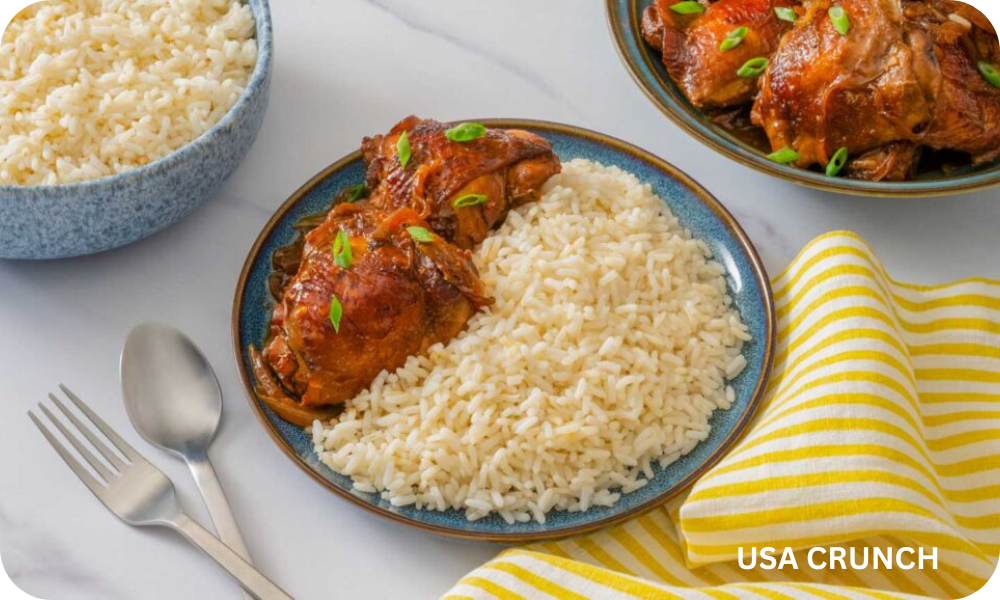
Taiwan Rice Dining Hall represents a category of Taipei restaurants dedicated to the cultural, agricultural, and culinary significance of rice in Taiwanese cuisine. Rather than positioning rice as a secondary accompaniment, these dining halls place it at the center of the dining experience, highlighting its varieties, preparation methods, and regional expressions. This article provides a comprehensive and structured overview of the concept, culinary philosophy, menu design, dining procedures, and cultural relevance of a Taiwan rice dining hall within the broader Taipei restaurant landscape.
Cultural and Culinary Context
The Role of Rice in Taiwanese Cuisine
Rice has been a foundational staple in Taiwan for centuries, shaped by the island’s geography, climate, and agricultural practices. Short-grain and medium-grain rice varieties are most commonly cultivated, prized for their aroma, texture, and adaptability to different cooking techniques.
In Taiwanese dining culture, rice fulfills several essential roles:
It serves as a nutritional foundation, providing sustained energy.
It functions as a neutral base that balances richly seasoned dishes.
It acts as a medium through which regional and seasonal ingredients are expressed.
Taiwan Rice Dining Hall concepts are designed to elevate these roles by focusing attention on rice quality, sourcing, and preparation.
Concept and Dining Philosophy
Core Principles of a Taiwan Rice Dining Hall
The operational philosophy of a Taiwan rice–centered dining hall is built on three interrelated principles.
Ingredient integrity emphasizes traceable sourcing of rice, often highlighting specific farms, harvest seasons, or milling techniques.
Culinary balance ensures that side dishes, proteins, and sauces complement rather than overpower the rice.
Educational dining introduces guests to varietal differences, cooking methods, and traditional serving customs.
Together, these principles establish a dining environment that is both gastronomic and instructional.
Menu Structure and Composition
Rice Varieties and Preparation Methods
A defining feature of a Taiwan Rice Dining Hall is the deliberate selection of rice types. Menus commonly distinguish between varieties based on grain length, aroma, and texture. Preparation methods may include:
Steamed rice prepared with precise water-to-grain ratios.
Clay-pot rice cooked to develop a crisp bottom layer.
Seasoned rice infused with broth, herbs, or rendered fats.
Mixed-grain rice combining white rice with millet, black rice, or barley.
Each method is designed to highlight specific sensory characteristics while maintaining consistency and quality.
Accompanying Dishes
While rice remains the focal point, accompanying dishes are carefully curated. These may include braised meats, seasonal vegetables, fermented elements, and light soups. Portions are typically balanced to ensure that rice remains the dominant component of the meal.
Service Model and Dining Experience
Ordering and Meal Progression
Dining halls of this type often follow a structured service flow. Guests begin by selecting a rice variety and preparation style. Secondary choices involve protein and vegetable accompaniments, followed by optional condiments.
Meals are served in a deliberate sequence to preserve temperature and texture. Staff members may provide brief explanations of the selected rice and suggested pairing strategies, reinforcing the educational aspect of the experience.
Atmosphere and Interior Design
Interior design commonly reflects simplicity and restraint. Natural materials such as wood and stone are favored to evoke agricultural origins. Lighting is designed to be soft and neutral, allowing visual focus on the food itself.
Nutritional and Dietary Considerations
Balanced Meal Composition
Rice-based dining halls emphasize nutritional balance through portion control and ingredient diversity. Meals are typically structured to include carbohydrates, protein, fiber, and micronutrients in measured proportions.
Accommodation of Dietary Preferences
Many establishments can accommodate dietary requirements, including vegetarian and reduced-sodium preferences, by adjusting accompaniments while maintaining the integrity of the rice component.
Position Within Taipei’s Restaurant Landscape
Distinction from Conventional Restaurants
Unlike general Taiwanese eateries, a Taiwan Rice Dining Hall narrows its focus to a single staple ingredient. This specialization differentiates it from night market stalls, banquet-style restaurants, and international dining venues found throughout Taipei.
Appeal to Local and International Diners
Local diners are drawn by familiarity and quality assurance, while international visitors value the clear narrative and educational framing. As a result, rice dining halls function as cultural ambassadors within the city’s diverse food scene.
Frequently Asked Questions
What distinguishes a Taiwan Rice Dining Hall from a standard Taiwanese restaurant?
A Taiwan Rice Dining Hall prioritizes rice as the central element of the meal rather than a supporting side. Menu design, service structure, and culinary techniques are all oriented toward showcasing rice varieties and preparation methods.
Is prior knowledge of Taiwanese cuisine required to dine at a rice-focused dining hall?
No prior knowledge is required. The dining format is intentionally educational, with staff guidance and clearly structured menus designed to support first-time diners.
Are rice dining halls suitable for formal or business meals?
Yes, the structured service, controlled pacing, and calm atmosphere make these establishments appropriate for professional or formal dining occasions.
How do these restaurants ensure rice quality?
Quality is ensured through careful sourcing, standardized storage conditions, and precise cooking protocols. Some dining halls provide information on rice origin and harvest details to reinforce transparency.
Can international visitors easily navigate the menu?
Most Taiwan Rice Dining Halls in Taipei offer multilingual menus or visual guides. The simplicity of the menu structure further supports ease of ordering for non-local guests.
Conclusion:
Taiwan Rice Dining Hall concepts represent a refined and educational approach to Taiwanese cuisine within Taipei’s dynamic restaurant environment. By emphasizing rice as both a cultural artifact and a culinary centerpiece, these establishments offer diners a clear, structured, and authoritative introduction to one of Taiwan’s most essential food traditions. Through careful organization, precise preparation, and intentional service design, they contribute meaningfully to the preservation and appreciation of Taiwanese culinary heritage.